

 See My Latest Article on HelloNation
What Causes Commercial Roofs to Collapse in Cheyenne, WY?
Commercial roof collapse typically results from a combination of excessive weight, structural weaknesses, poor drainage, and deferred maintenance. In Cheyenne, WY, the region’s variable winter storms, strong winds, and freeze-thaw cycles make local buildings particularly vulnerable.
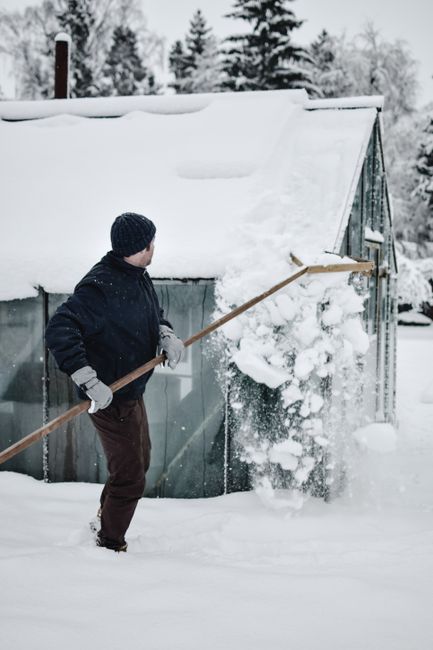
Heavy snow accumulation can happen quickly during Cheyenne’s snowstorms. Flat or low-slope commercial roofs are at greater risk when snow and ice aren’t cleared in a timely way. Frozen gutters and downspouts can cause water to back up or pool, adding weight and increasing the chance of leaks that slowly weaken roofing materials.
Other contributing factors in the area include:
- Older building designs not built for current snow or wind loads
- Deferred roofing inspections, especially after storms
- Ponding water in areas where drainage is inadequate
- HVAC units or rooftop equipment that overburden the structure
Routine observation and prompt response to developing issues are critical for local property owners.
How Much Snow or Ice Is Too Much for a Roof?
Most commercial roofs in Cheyenne are built to standard load codes, but unexpected storms can still overwhelm aging structures. Even with code compliance, accumulated wet snow or a mix of snow and ice can quickly surpass safe weight limits.
A rule of thumb: if snow appears dense and heavy (especially after rain or a freeze-thaw event), or if ice covers large areas, it may be time to consider removing it. Warning signs the roof is under too much load include:
- Sagging roof sections or visible bending
- Ceiling leaks or new water stains inside
- Unusual cracking or popping sounds
- Doors or windows suddenly sticking
If any of these signs are observed, limit access to the affected area until the situation can be safely evaluated. Attempt snow or ice removal only if it can be done safely from level ground or with proper safety equipment. If unsure, err on the side of caution—the weight of snow and ice is often underestimated.
How Can Drainage Problems Lead to Roof Collapse?
Water pooling is a leading trigger for roof failures in the city, especially after snowmelt or heavy spring rain. Flat commercial roofs require well-maintained drains, gutters, and scuppers to channel water away quickly. Blocked drainage can increase the time water spends sitting on the roof, allowing it to seep into seams, speed up deterioration, and dramatically increase dead load.
Common drainage issues seen in Cheyenne structures:
- Gutters blocked by ice dams or windblown debris
- Drains clogged with gravel or roofing granules
- Standing water after 48 hours of dry weather
Preventative measures:
- Clear drains and gutters regularly during late fall and after notable storms
- Inspect scuppers and downspouts as part of routine property maintenance
- Ensure insulation and roof membranes are in good condition to limit freeze-thaw damage
What Should Regular Roof Inspections Include?
Inspection routines help catch small problems before they threaten structural stability. At least twice annually—ideally in late spring and early fall—walk the roof to look for:
- Damaged, missing, or curling roofing materials
- Soft or spongy spots indicating saturated insulation
- Deteriorated flashing around edges, vents, or rooftop units
- Evidence of persistent ponding, especially near drains
- Loose or buckled seams in membrane roofs
After major wind or snowstorms, a visual check for storm debris or new damage is warranted. Photographic documentation can help track any changes and assist if repairs or insurance claims become necessary.
Are There Hidden Hazards That Increase Roof Collapse Risk?
Many commercial roofs accumulate extra risk over time. Examples include:
- Retrofitted HVAC or solar equipment installed without engineering approval, adding more weight than designed for
- Long-term leaks saturating insulation or structural decking
- Previous patch repairs that mask underlying decay or corrosion
Building owners in Cheyenne should consult original construction documentation if possible, especially before placing additional loads on an older roof system. If uncertainties exist around past modifications, a structural engineer can provide clarity on weight tolerances.
What’s a Realistic Maintenance Plan for Local Property Owners?
Proactive maintenance, tailored to the region’s climate and common hazards, is the best defense against sudden failures.
A typical plan for commercial buildings in the city may include:
- Twice-a-year professional roof inspection, with basic visual checks after every major storm
- Routine clearing of debris, snow, and ice from roof surfaces and drainage paths
- Immediate attention to any signs of water entry inside the building, even if minor
- Annual review of rooftop equipment to ensure weight and placement remain within safe limits
- Keeping records of repairs, inspections, and observed damage to monitor roof condition over time
Community members who take these steps greatly reduce the risk of costly and dangerous roof incidents.
What Mistakes Should Be Avoided When Managing a Commercial Roof?
Cutting corners in roof care can lead to far greater expenses—or structural danger—later. Common traps include:
- Assuming an old roof must be “fine” because leaks are rare—damage can be hidden
- Delaying small repairs, allowing problems to escalate during winter
- Ignoring blocked drains, especially after autumn leaves or spring storms
- Adding equipment, signage, or storage on roof areas without confirming structural capacity
By treating the roof as a critical asset and not just a background feature, area property owners better safeguard both their investments and those who use these buildings.