

 See My Latest Article on HelloNation
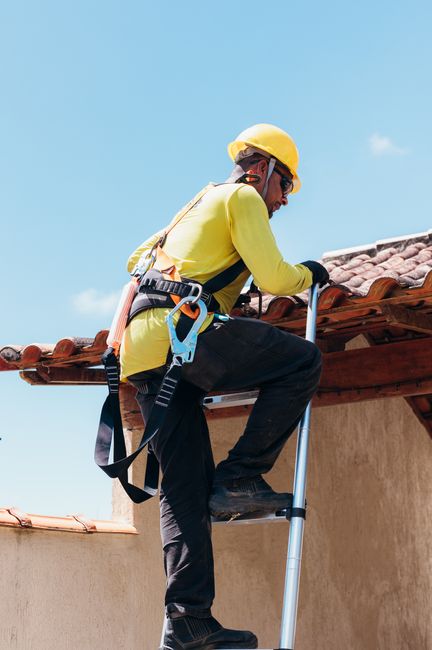
Why Should Cheyenne, WY Residents Care About Roof Protection in Hurricane Season?
While hurricanes themselves rarely make landfall as far north as Cheyenne, WY, local buildings can still face hazards linked to severe weather events associated with hurricane season. Powerful windstorms, prolonged heavy rains, and flying debris from distant storm systems sometimes reach the region, especially when remnants of major storms travel inland. For commercial buildings, even a single breach in the roofing system can lead to water damage, business interruptions, and costly repairs.
Area residents and property managers should be aware that prevention and preparedness go a long way in minimizing weather-related damage. Proactive steps help maintain building integrity and support a safer environment for occupants.
What Roofing Vulnerabilities Are Common in the Cheyenne Area?
Roofs in the city are often flat or low-sloped, common in commercial construction. These designs can be vulnerable to wind uplift, ponding water, and impacts from debris carried by gusty weather. The wide-open spaces around Cheyenne contribute to strong wind events, making wind resistance just as vital as water-shedding capabilities.
Typical vulnerabilities for local commercial roofs include:
- Loose or unsecured flashing and edge metal
- Blocked or undersized roof drains
- Age-related membrane cracks, blisters, or seams
- Heavy rooftop equipment becoming unstable during storms
Routine assessments can reveal these issues before they become serious during hurricane season or any major storm event.
When Is the Right Time to Prepare Your Roof for Hurricane Season?
Preparation should begin well before the arrival of severe weather. In Cheyenne, the ideal time to schedule roof inspections and maintenance is late spring or early summer, before the peak of the season. This timing allows for potential repairs to be completed while conditions are favorable and materials are readily available.
Waiting until storms are in the forecast often leads to rushed decisions or limited access to supplies, leaving buildings more exposed to harm.
How Can Roof Inspections Help Prevent Damage?
Regular roof inspections, especially before and after hurricane season, are essential for commercial properties. Inspections can spot:
- Membrane or shingle looseness
- Debris accumulations blocking drainage
- Gaps in sealants and flashing
For most properties in the city, checking the roof twice a year is considered best practice. After severe weather, a basic visual inspection can catch new issues quickly.
Common oversight: Many property managers overlook the perimeter of the roof, where edge flashing and seams are likely to fail in high winds.
What Roof Maintenance Steps Are Most Effective?
The most effective maintenance tasks are practical and straightforward. Focus on:
- Clearing all roof drains, gutters, and scuppers by removing debris such as leaves, gravel, and branches
- Securing all rooftop loose items, including equipment covers and unattached materials
- Checking all flashing, edge metal, and coping stones for tightness and proper attachment
Additionally, check and retighten mechanical fasteners as needed, as wind events can gradually loosen anchor points over time.
Address minor repairs—like small membrane punctures or deteriorated sealant—promptly, as these can expand rapidly during a single major weather event.
How Can Building Owners Minimize Wind and Rain Intrusion?
Intrusion from wind-driven rain is a key source of water entry during storm season. To reduce risk:
- Reinforce all seams and joints with appropriate adhesive or sealant
- Confirm that all access hatches, skylights, and rooftop penetrations are weather-tight and locked
- Use compatible temporary sealant patches if permanent repairs cannot be made prior to storms
For flat roofs, maintain clear drainage paths from parapet walls to roof outlets, preventing water from accumulating and backing up under vulnerable membrane seams.
Some commercial roofs in the city feature ballast stone or pavers. These should be checked to ensure nothing is loose, as wind can turn small objects into hazardous debris.
Can Routine Cleaning and Debris Removal Make a Real Difference?
Absolutely. Consistent removal of organic matter (like leaves or pine needles), loose plastic, or small construction debris helps prevent water blockages and rot. Blocked drainage often leads to localized ponding, which can deteriorate roof membranes far faster than dry areas.
For example, even a single plastic bag blocking a roof drain on a low-slope roof can lead to several inches of standing water across a wide area, increasing stress on roofing materials and increasing the chance of leaks.
What Are Some Overlooked Areas That Deserve Attention?
Local experience shows that two areas are commonly neglected:
- Roof access points— Unused hatches or doors can have degraded gaskets or water seals.
- Rooftop equipment— HVAC units and communication dishes often have small penetrations or mounting platforms that are poorly flashed, offering entry points for water during strong storms.
Also check abandoned installations or nonfunctional penetrations (such as old conduit entries or unused pipe boots), as these may lack regular maintenance.
Are There Simple Steps to Take Just Before a Major Storm?
If there’s advance warning of a major weather event, consider these immediate actions:
- Double-check all previously secured objects and materials on the roof
- Re-inspect drains to ensure nothing has accumulated
- Place sandbags (if available) near known vulnerable spots for short-term reinforcement, ensuring they won’t impede drainage
- Close and lock all roof access points tightly
Never attempt any major or unsafe work during dangerous weather. Structural or safety-related concerns should only be handled by appropriately experienced personnel and only when conditions allow.
What Should You Do After a Storm Passes?
After any severe wind or rain event, perform a careful visual inspection from the ground where possible. Look for obvious signs such as missing flashing, debris, or visible pooling.
Once conditions are safe, check the roof itself for:
- New debris or punctures
- Displaced roof ballast
- Water entering the building or interior ceiling stains
Promptly documenting any new issues helps in planning repairs and, if needed, working with insurance or public agencies when reporting weather-related incidents.