

 See My Latest Article on HelloNation
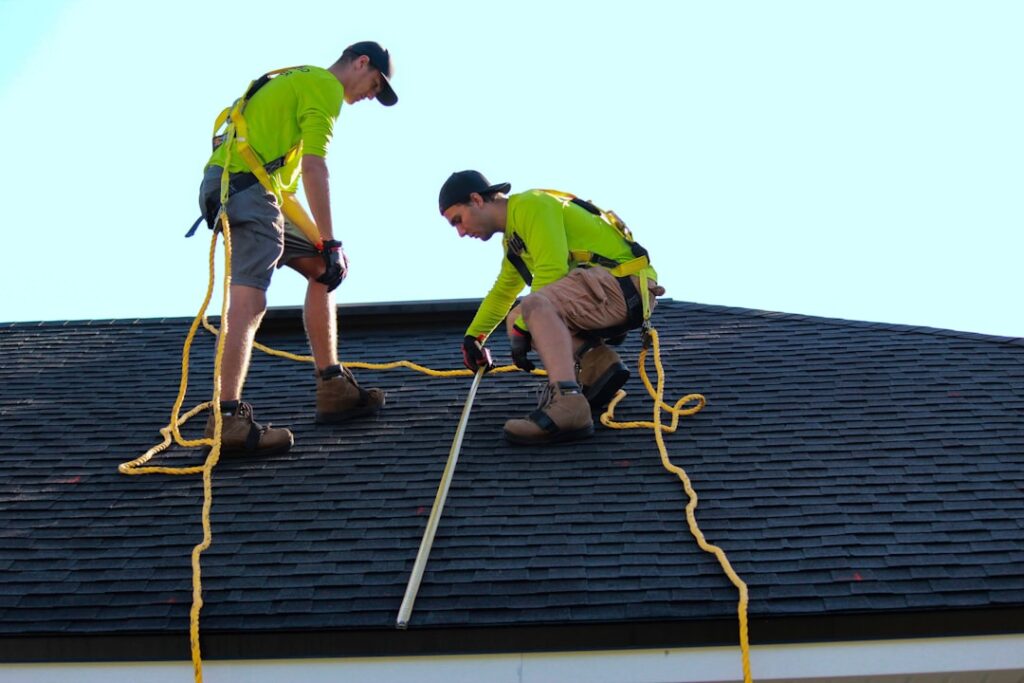
Are Flat Roofs a Problem in Cheyenne, WY's Climate?
Flat roofs are often assumed to be unsuitable for the local climate because of snow and rain, but this is not necessarily true. Properly designed and maintained flat roofs can handle Cheyenne’s weather patterns effectively.
Flat roofs, common on commercial buildings in the community, use internal drainage or slight slopes to direct water runoff. Issues usually arise when drains are blocked or when the roof membrane is compromised. Regular inspections, especially before and after winter, are more influential on roof longevity than the choice between flat and sloped designs. Correct materials and installation tailored for the local freeze-thaw cycles allow flat roofs to perform well in the region.
Does Roof Color Significantly Affect Heating and Cooling Costs?
Many believe that roof color alone has a dramatic impact on indoor temperatures and utility bills. While color is a factor, its influence is often overstated for most Cheyenne businesses.
Lighter-colored roofs can reflect more sunlight, slightly lowering cooling costs in summer. However, given the city’s high elevation, frequent wind, and relatively mild average summer temperatures compared to other regions, this effect is usually modest. Insulation, air sealing, and the overall roof assembly have a greater influence on heating and cooling outcomes. Business owners considering roof replacements or repairs should focus first on insulation quality and roof integrity, rather than color alone.
Is Yearly Roofing Maintenance Really Necessary in Cheyenne?
Regular maintenance is often dismissed as unnecessarily frequent or merely a sales tactic, but consistent upkeep makes a significant long-term difference.
Cheyenne’s weather can be harsh on roofing systems. High winds, hail, rapid temperature swings, and seasonal snowmelt create stresses that accumulate quietly over time. Small issues such as cracked sealant, minor leaks, or loose flashings can quickly worsen if left unaddressed.
Local experience shows that even low-slope roofs on well-built commercial structures benefit from:
- Clearing debris from drains and gutters
- Checking for membrane punctures after hailstorms
- Inspecting flashing and seams for gaps
Most damage identified early is easier and less costly to address. Skipping annual roof checks often leads to larger, more disruptive repairs down the road.
Are All Roofing Materials Equally Good for Cheyenne’s Conditions?
The idea that any commercial roofing material will perform equally well in Cheyenne can lead to premature failures or unexpected costs.
Not all materials are suited for the city's unique mix of UV exposure, high winds, hail, and temperature swings. For instance, some single-ply membranes may become brittle more quickly than expected or develop leaks if not properly installed and maintained. Modified bitumen, metal, or high-quality TPO/PVC systems can offer better resilience if paired with appropriate underlayment and installation methods.
Labor and material standards for the city are designed to address local climate realities. Business owners benefit from approaching roofing choices with regional performance in mind, rather than assuming national trends always fit local needs.
Can Minor Leaks Be Ignored During Dry Periods?
It's easy to think that a leak that "seems to have stopped" during a dry spell is no longer a concern, but unseen moisture often lingers and causes other issues.
In Cheyenne, roof leaks can seep into insulation or decking, especially after spring snow and rain or summer hail. Even if water stops dripping into the interior, trapped moisture can lead to:

- Mold or mildew problems hidden above ceilings
- Insulation loss, jeopardizing winter heating efficiency
- Rust or rot in structural components
Small leaks are often cheapest to fix if inspected promptly. Waiting until the next rain or snow may allow minor water damage to develop into more substantial (and costly) issues.
Do Local Codes and Regulations Matter When Replacing a Roof?
Municipal building codes in Cheyenne exist to ensure commercial roofs can handle wind loads, snow accumulation, drainage requirements, and fire safety. Skipping permit requirements or not following specifications often leads to complications.
Common myths include the ideas that “it’s just a repair” or “it won’t matter because nobody can see it from the street.” In reality, unpermitted work can void warranties, result in insurance complications, and cause delays in property sales or refinancing. Local code enforcement may require removal and redo at the owner’s expense.
Always verify roofing projects align with the city’s requirements for materials, fasteners, and drainage. This helps avoid unexpected costs, legal difficulties, and long-term safety risks.
Is Roofing Only Affected by the Weather During Winter and Spring?
While winter storms and spring melt-off get the most attention, Cheyenne’s summer hail and year-round wind events are just as significant for commercial roofs.
Summer hailstorms, in particular, can create barely visible punctures or fractures that may take months to develop into full leaks. Gusty winds can loosen fasteners or lift sections of membrane, especially on buildings with older or worn roofs. Routine checks after summer weather events are as critical as wintertime inspections for sustaining roof health.
Staying attentive to all seasons helps area businesses prevent surprises and better plan for future roof repairs or replacement.