

 See My Latest Article on HelloNation
How Does Energy-Efficient Roofing Affect Utility Bills in Cheyenne, WY?
Energy-efficient roofing reduces the amount of heat that escapes in winter and enters in summer, stabilizing indoor temperatures and decreasing the strain on heating and cooling systems. For Cheyenne, with its dramatic temperature swings and frequent high winds, this means residents often see direct savings on monthly utility statements from smarter roof choices.
The city’s climate, characterized by cold winters, warm summers, and strong sunlight exposure, makes roofing efficiency a practical concern for both commercial properties and homes. By limiting how much warm or cool air is lost through the roof, local households can keep indoor spaces more comfortable without relying so heavily on furnaces or air conditioners.
What Roofing Materials Are Most Energy-Efficient Around Cheyenne?
Several roofing types are considered more energy-efficient for Cheyenne’s high-elevation, semi-arid climate:
- Cool Roofing: These materials are designed to reflect more sunlight and absorb less heat. Options include light-colored single-ply membranes commonly used on commercial buildings.
- Insulated Metal Roofs: Metal roofs, when paired with insulation, can help block heat transfer both into and out of a building.
- Reflective Coatings: Adding a reflective coating to an existing roof can improve its ability to bounce back sunlight and resist heat buildup, especially valuable during hotter summer days.
Local code requirements and building age may influence what types of upgrades are possible. For older buildings with less insulation, simply adding or upgrading roof insulation can yield substantial energy savings.
How Much Could Local Residents Expect to Save on Utilities?
Switching to a more energy-efficient roof can trim energy bills by 10-20% or more, depending on the previous roof’s condition and the home or building’s overall insulation. For Cheyenne residents, these savings add up most during peak heating months (October through April) when wind and cold force furnaces to work overtime.
Several factors affect the size of these savings:
- The temperature setting in the building
- The efficiency and age of HVAC systems
- Roof color, material, and condition
- Air leaks through other parts of the structure
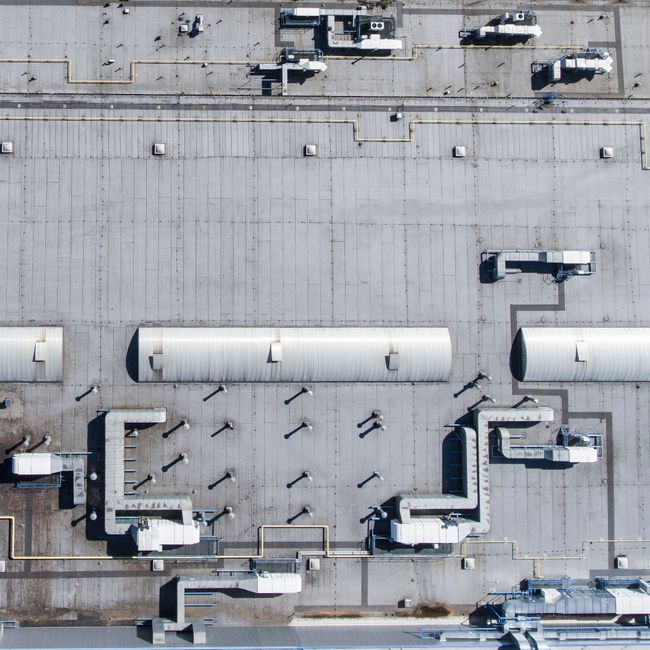
Buildings with high ceilings or large flat roofs—common in local commercial spaces—can see bigger gains from improved roof efficiency due to larger surface areas exposed to weather extremes.
Does Roof Color Matter for Energy Efficiency in Cheyenne?
In Cheyenne’s climate, roof color can play a surprisingly important role. Light-colored or white roofs reflect sunlight, reducing summer heat gain. This is especially helpful on commercial roofs that receive direct sun for most of the day.
For residential buildings, a slightly darker roof might help absorb more heat during winter, providing a modest warming effect. However, in most cases, the type of insulation under the roof is equally, if not more, important. Combining lighter roof surfaces with adequate insulation strikes a balance that suits both seasons, especially with the region’s changeable weather.
Are There Any Overlooked Local Challenges?
Cheyenne’s wind speeds and frequent hail mean roofs must withstand tough conditions. Some highly reflective roofing types can be more prone to hail damage if not chosen with local weather in mind. Selecting durable, impact-resistant materials that also offer good energy properties is crucial.
Additionally, dust and soot from wind can reduce the reflectivity of lighter-colored roofs over time. Regular maintenance—sometimes as simple as rinsing off debris—can help maximize energy savings in between snow, wind, and dust events.
What About Insulation and Roof Ventilation?
Good insulation is just as vital as the roof material itself. Inadequate insulation allows indoor heat to escape during winter or lets in summer heat, causing energy use to spike. Adding roof insulation is often one of the easiest and most affordable ways to improve efficiency, with immediate impact for older buildings in Cheyenne’s historic neighborhoods.
Roof ventilation also interacts with insulation to prevent moisture buildup and ice dams—both common locally. Balanced ventilation keeps attics from overheating in summer, helping roofs maintain their intended energy performance.
How Do Energy-Efficient Roofs Work Year Round in Cheyenne?
Energy-efficient roofs create benefits throughout the year. During summer, they minimize solar heat absorption, reducing how long air conditioning needs to run. In winter, a well-insulated and sealed roof holds in heat, making buildings cozier without excess furnace use.
Because Cheyenne’s temperatures can shift rapidly—sometimes in a single day—residents appreciate roofs that adapt to both heating and cooling needs. Thoughtful roofing upgrades buffer against these swings, making indoor temperatures steadier and utility costs less seasonally volatile.
Are There Local Regulations Incentivizing Efficiency?
Cheyenne follows state and national building codes, which require certain energy efficiency standards for new construction and significant renovations. These rules affect insulation values and sometimes specific roofing materials on commercial projects. While there are currently no city-run rebate programs for energy-efficient roofs, building to—or above—code can still result in significant long-term savings.
Area residents should also watch for potential updates to codes, as energy cost concerns and environmental issues continue to shape local building expectations.
Common Misconceptions About Energy-Efficient Roofing
Some residents believe energy-efficient roofing is only useful in hot climates. In reality, Cheyenne’s cold winters make the insulation and sealing properties of efficient roofs just as valuable as their summer benefits.
Another misconception is that all cool roofs are more easily damaged by weather. While some types require careful selection to match local conditions, many modern materials are specifically designed for both energy savings and durability in storms, snow, and wind.