

 See My Latest Article on HelloNation
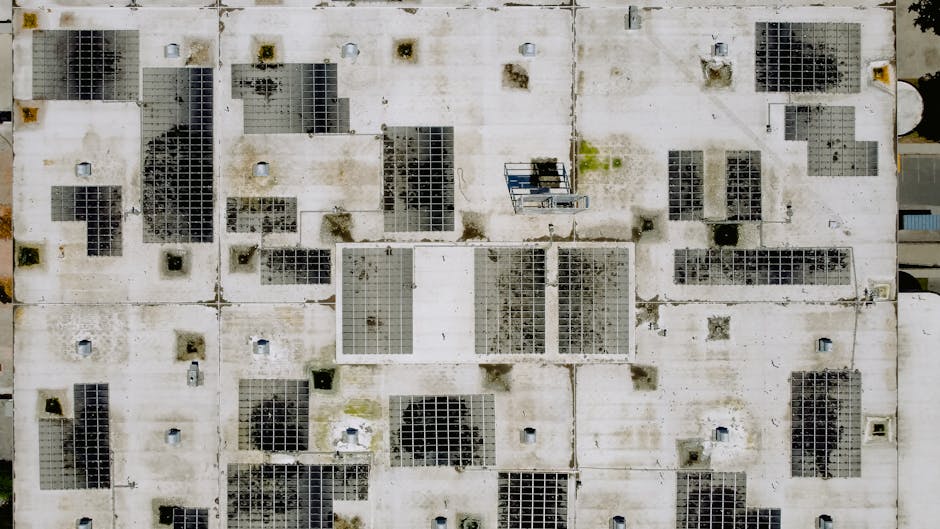
What Are Roof Coatings, and How Do They Work?
Roof coatings are liquid-applied materials designed to protect, extend, or restore the lifespan of an existing roof. After application, they dry to form a seamless, waterproof barrier. Unlike full roof replacements, coatings are installed directly over the existing roof surface, making them less invasive and often much more affordable upfront.
In Cheyenne, the local commercial building stock often includes flat or low-slope roofs, which are especially suitable for such coatings. Coatings come in several types—acrylic, silicone, polyurethane—each with strengths tailored to regional climate conditions like wide temperature swings, hail, and strong winds.
How Can Roof Coatings Lower Energy Bills in Cheyenne?
Roof coatings can help reduce heating and cooling expenses by reflecting sunlight, lowering rooftop temperatures, and preventing heat transfer.
- Reflective (also called “cool roof”) coatings minimize the amount of solar heat the building absorbs. In Cheyenne’s sun-intensive summers, this can make a noticeable difference in the daily cooling load, especially in single-story or warehouse-style buildings with large roof exposures.
- By keeping roof surfaces cooler, coatings also prevent thermal cycling stress, reducing wear and tear on roofing materials over time.
- Some coatings provide additional insulation value, though the main energy benefit comes from reflectivity rather than insulation thickness.
Local residents often underestimate how much the roof surface impacts interior temperatures; roof coatings offer an immediate, passive way to moderate energy use without changes to HVAC systems or interior insulation.
What Maintenance Savings Can Local Businesses Expect?
Applying a roof coating forms a continuous layer that protects roofing materials from weathering, UV damage, and water intrusion—all significant concerns in Cheyenne’s windy, hail-prone climate.
This protective barrier can lead to savings such as:
- Reduced frequency of roof leak repairs, as coatings eliminate small cracks and seal seams.
- Lower risk of wind-driven rain entering vulnerable flat roof assemblies.
- Longer roof lifespan, postponing the need for a costly tear-off or full replacement.
Building owners in the city often find that a well-applied coating system can push off large capital expenses for years, turning irregular large bills into a predictable, manageable maintenance cycle.
Can Roof Coatings Protect Against Hail and Harsh Weather?
In Cheyenne, storms and hail are common. While coatings are not a substitute for a properly constructed roof, certain types—especially elastomeric or polyurethane coatings—add a degree of resiliency by absorbing minor impacts and reducing direct surface damage.
- Coatings can help prevent “alligatoring” (cracking caused by age and sun exposure), which is a frequent problem on exposed flat roofs in the area.
- Quick self-healing or flexing properties mean minor damage is less likely to penetrate through to the underlying layers.
- Continuous barriers make inspections after storms easier, as damage or worn areas are more visible on a coated surface.
It’s important for local property managers to understand that while coatings add protection, severe hail events may still require professional inspection for underlying damage.
Do Roof Coatings Meet Local Building Codes or Insurance Requirements?
Most commercial roof coatings are designed to comply with code requirements for fire resistance and reflectivity. In the city, properties may also be subject to specific standards or guidelines depending on the type of building and its use.
Insurance carriers may offer maintenance discounts for certain preventative measures, and roof coatings can be part of a risk-reduction strategy. Owners should check with local authorities or insurance agents to verify if particular products meet required criteria.
How Are Roof Coatings Maintained and Reapplied?
Once a coating is installed, the burden of upkeep is usually low. Most systems require only periodic inspections and cleaning to remain effective.
- Typical service life for coatings is 5-15 years, depending on formulation and exposure.
- Reapplications are relatively straightforward, as they can often be installed over the previous layer after basic cleaning and spot repairs.
- Small cracks, ponding water, or worn areas should be addressed early, which is simpler than dealing with extensive leaks or intrusive damage.
Area businesses often find that budgeting for coating maintenance is easier than managing unpredictable repair bills for aging, unprotected roof surfaces.
What Are Common Misconceptions About Cost and Value?
Some building owners may assume roof coatings are just a cosmetic fix, offering little real protection. In fact, when correctly selected and applied, coatings can have a substantial financial impact by lengthening roof life and lowering ongoing expenses.
Other misconceptions include:
- Believing that coatings only work in hotter, southern climates. In reality, Cheyenne’s high elevation and intense sunshine make reflectivity just as relevant during local summers.
- Assuming that coatings are only a short-term measure. Many products are engineered for long service and can be renewed repeatedly.
- Overlooking local weather extremes. Products suited for the region’s freeze-thaw cycles and wind must be chosen—for example, elasticity to handle temperature swings and UV resistivity.
A cost-saving roof upgrade does not have to mean extensive construction or building downtime; coatings provide a practical intermediate option tailored to local demands.
What Should Cheyenne Property Owners Consider Before Choosing a Roof Coating?
Before selecting a roof coating, local owners should:
- Evaluate the current roof condition—severe structural issues or saturated insulation may still require substantial repairs before coating.
- Choose a coating formula suited to freeze-thaw cycles, hail resistance, and high-altitude UV intensity.
- Plan for ongoing inspections, as preventive care maximizes the lifespan and value of the coating.
Learning from neighboring businesses who have successfully used coatings, and talking openly with reputable suppliers or municipal building officials when needed, can help ensure money-saving results for a wide variety of properties in the area.