

 See My Latest Article on HelloNation
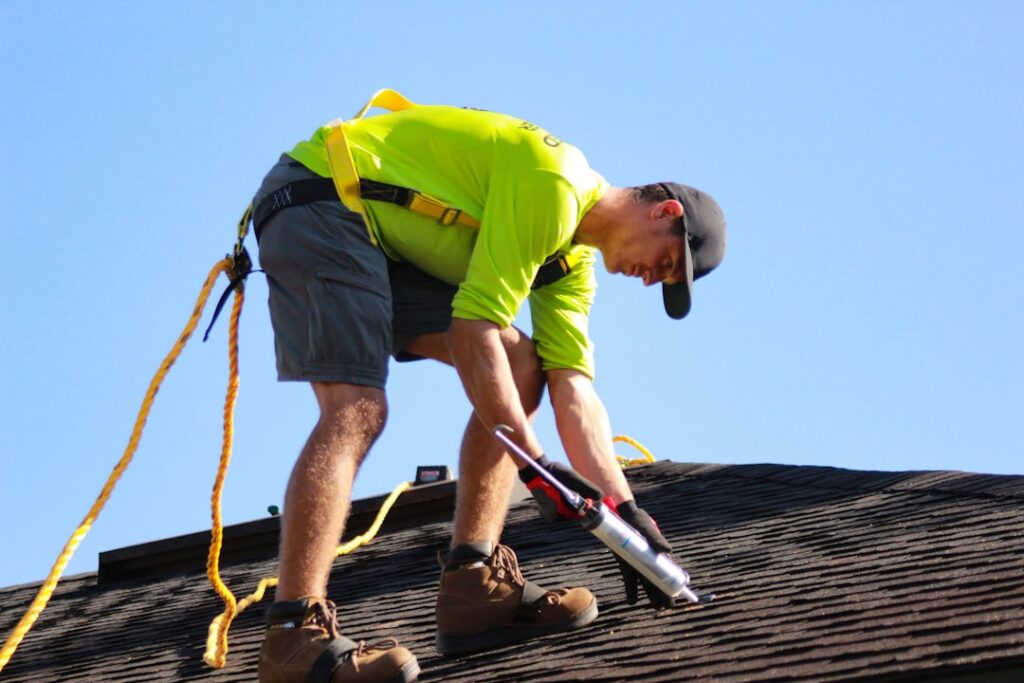
Can a Roof in Cheyenne, WY Be Repaired Instead of Replaced?
Most commercial roofs in Cheyenne, WY can be repaired if their issues are isolated and the system is structurally sound. However, there are situations where full replacement is safer, more cost-effective, or the only option. The right decision depends on the type of roofing, the severity of the damage, and the building’s needs.
What Signs Suggest a Roof Is Ready for Repair Only?
If problems are confined to small areas or a specific detail, repairs are often effective. For local property owners, common repair situations include:
- Minor punctures or tears in the membrane
- Isolated leaks under rooftop units or around flashings
- Limited storm damage, like wind-lifted sections
- Water ponding that hasn’t yet affected insulation
For example, a single hailstrike that causes a visible puncture is often repairable, especially if the roof’s top layer is otherwise solid. Small splits or fractures near drains can also be patched, even during windy Cheyenne spring seasons. These targeted repairs help extend roof life without the disruption of a full replacement.
When Does Roof Damage Require Replacement?
Widespread, recurring, or severe damage usually means replacement is the safer choice. Reasons replacement becomes necessary include:
- Multiple repairs in the same area within a short period
- Chronic leaks, even after patching attempts
- Wet or deteriorated insulation (which traps moisture under the roof)
- Large areas of membrane shrinkage, blistering, or sagging
- Storm or hail damage affecting at least 25% of surface area
Local buildings with roofs over 20 years old or those showing deep cracks, open seams, or visible underlying insulation face higher risk for interior moisture and structural issues. If roof materials are warped or saturated and repairs are not holding for more than a season or two, full replacement is generally safer.
Can Cold Winters or Hailstorms Impact the Decision?
Absolutely—Cheyenne’s unique climate plays a big role in roof longevity. Temperature swings, harsh winds, and frequent hail create wear patterns not always seen elsewhere. Roofs that might be repairable in milder regions could warrant earlier replacement here. For example, a membrane “alligatoring” (network of deep surface cracks) after a freeze/thaw cycle can become brittle, making robust repairs nearly impossible.
Hail damage may be more extensive than it appears on the surface. A “bruise” in roof material can allow moisture to seep in and freeze, damaging insulation and building structure below. Repeated harsh weather increases the risk that repairs will only delay needed replacement, causing more hassle and expense over time.
Is It More Affordable to Repair or Replace?
Repair work is generally less expensive up front. But ongoing problems—such as tracing persistent leaks or repairing the same trouble spot every year—can add up to more than a full replacement. In Cheyenne, especially with high winds and strong UV exposure, patching can be a temporary fix if roof materials are reaching the end of their natural lifespan. Consider:
- Repair is best for recent, spot-specific damage
- Replacement may save money long-term if the roof system is outlasting repairs
- Insurance may only cover replacement once damage surpasses a certain threshold

What Are Some Common Misconceptions?
Some local property owners believe that any leak means they need a whole new roof. In practice, many roofs can function safely after a quality repair if the underlying components remain dry and stable. On the flip side, there’s also the misconception that minor patchwork can fix a roof that’s shedding ballast, “ballooning” in the wind, or losing attachment to the building. In reality, these are warning signs of systemic problems that patching can't adequately address.
How Do You Assess the True Condition of a Commercial Roof?
A thorough roof inspection includes not just a visual check, but also looking for hidden moisture under the surface. This might involve:
- Examining the entire roof for bubbling, uplifted seams, or sagging decks
- Checking roof penetrations (vents, HVAC) for leaks or soft spots
- Inspecting the underside inside the building for stains, drips, or insulation issues
- Using moisture scanning tools to detect water intrusion in insulation
Cheyenne’s freeze-thaw cycle can encourage hidden leaks that dry out in summer and return with fall rain or snow. Inspecting both the outside and inside is especially important just before winter.
Are There Regulations or Environmental Factors to Consider?
Local building codes may affect repair or replacement decisions, particularly if several layers of old roofing are present. If code limits are met, another layer may not be allowed, making replacement mandatory. Weather conditions, access for equipment, and eco-friendly disposal of old materials also influence timing and cost for major projects.
What’s the Safest Approach for Large or High Roofs?
For commercial roofs, large buildings, or roofs with significant height, safety can become a major concern. If addressing repair risks exposure to heavy equipment, electrical systems, steep drops, or hazardous materials like asbestos from older buildings, outside expertise or compliance with workplace safety regulations is essential. Even if a repair seems simple, working at height increases risk, especially with winter ice.
Final Thoughts
Deciding whether to repair or replace a commercial roof in Cheyenne depends on the severity and cause of the damage, the age and type of roofing, the building’s functional needs, and the region’s climate. Careful inspection and understanding of local risks will help ensure that the right choice is made for both the building and its occupants.