

 See My Latest Article on HelloNation
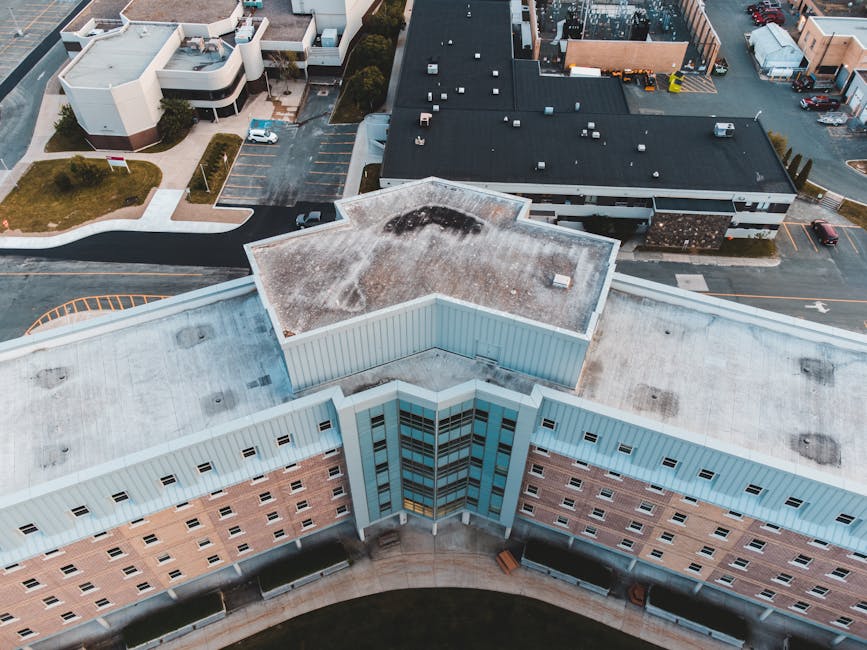
Understanding your commercial roof warranty is just as vital as picking the right roofing material for your business here in Cheyenne, WY. Between our fierce windstorms, sudden hail, and heavy snow, knowing what’s covered under your roof warranty (and what isn’t) can save you from surprises when you need support most.
This guide breaks down the basics of roof warranties, clarifies the coverage specifics, and highlights what Cheyenne businesses should look out for given our unique climate and local lifestyle.
What Is a Roof Warranty?
A roof warranty is a written guarantee provided by a manufacturer or contractor that promises to repair or replace your roofing system under certain conditions. Warranties are meant to offer peace of mind — but they are not all the same.
Cheyenne property owners should note that some warranties only cover materials, while others also cover workmanship and installation. Because our weather is so unpredictable, the fine print matters.
Types of Commercial Roof Warranties
When searching for a new commercial roof or renewing your current one, you’ll encounter three common warranty types:
- Manufacturer’s Material Warranty: Covers defects in roofing materials. If your membrane, shingles, or panels fail due to a manufacturing defect, the manufacturer will provide replacement materials.
- Workmanship Warranty: This is offered by your roofing contractor and covers errors in installation for a set period (often 1-5 years). Since our winds in Cheyenne can reveal poor installation in a hurry, this warranty is particularly important.
- Full System Warranty: The gold standard. This covers both materials and installation, and may also include flashing, edge metal, insulation, and even labor for repairs — but only under certain conditions.
What’s Usually Covered
Roofs installed in Cheyenne face unique stresses, so understanding what is typically covered is crucial:
- Defective Materials: If the roof system fails because the materials were inherently flawed, you can expect coverage — but only if the defect wasn’t caused by improper installation or later modifications.
- Workmanship Issues: For the term of your contractor’s warranty, installation flaws like bad seams, incorrect fastening, and faulty flashing are usually covered. This can be valuable after a tough Wyoming winter or a high-wind event.
- Blisters, Splits, and Seam Failures: If these issues result from material or installation errors within the coverage period, they are typically included.
- Leak Repair (if due to covered causes): Many warranties will pay for leak repairs, so long as the leak was not caused by actions that are excluded (see below).
What’s Not Covered
Many Cheyenne business owners are caught off guard by warranty exclusions. Here’s what’s typically not covered—and why you should pay close attention:
- Damage from Severe Weather: While some hail or wind damage might be covered under a manufacturer’s warranty if caused by a defect, most warranties exclude “acts of God” such as major hail, tornadoes, or extreme winds. In Cheyenne, where high winds and hail are common, you’ll need a good property insurance policy in addition to your warranty.
- Poor Maintenance: Neglecting to clean gutters, remove debris, or address ponding water can void your warranty. Warranty documents always stress regular inspections and prompt repairs.
- Unauthorized Repairs or Modifications: If you (or another contractor) perform repairs without approval from the original installer or manufacturer, coverage for future problems can be denied.
- Foot Traffic and Roof Penetrations: New HVAC units, skylights, or heavy equipment installed after the roofing job are usually not covered, especially if penetrations haven’t been flashed according to spec.
- Aging and Normal Wear: No roof lasts forever. Warranties don’t cover gradual wear, minor granule loss, or fading from the sun — all of which are accelerated by Cheyenne’s high-altitude sun and bitter winters.
Unique Cheyenne Considerations
Property managers and building owners in Cheyenne, WY, need to consider our region’s climate when reviewing their warranty:
- Hail and Wind: Ask specific questions about wind and hail coverage. Some premium roofing systems offer “hail warranties” but may require higher upfront investment.
- Snow and Ice Dams: With heavy snow, water intrusion from ice dams is common. Most warranties don’t cover leaks caused by ice dams, so preventive measures are a must.
- UV Exposure: Our altitude means higher UV exposure, which can age roofing faster. Check the expectations for lifespan given Cheyenne’s specific weather patterns.
Tips for Maximizing Roof Warranty Protection in Cheyenne
- Schedule Regular Inspections: Proving diligent maintenance is key for warranty compliance. Most manufacturers require at least annual (and post-storm) inspections.
- Keep Detailed Records: Save inspection reports, repair logs, and any correspondence about your roof. This documentation is crucial if you need to file a claim.
- Understand Your Obligations: Read the warranty and ask for clarification—especially regarding maintenance and what voids coverage.
- Work with Local Experts: Choose Cheyenne-based contractors who understand our climate. They’ll install systems suited for local conditions and help you navigate warranty claims.
- Coordinate Warranty and Insurance: Talk with your insurance agent to ensure there are no gaps between your warranty exclusions and your property coverage.
Final Thoughts
A commercial roof warranty is only as good as your understanding of it. Here in Cheyenne, it’s essential to factor in our rugged weather, stay proactive with inspections, and read every line of your warranty’s fine print. Doing so helps ensure that when you need repairs due to covered issues, you’re not left out in the cold.
Have a question about your commercial roof’s warranty coverage in Cheyenne, WY? Review your documents and consult with a local roofing expert before trouble strikes—so you can weather every storm with confidence.