

 See My Latest Article on HelloNation
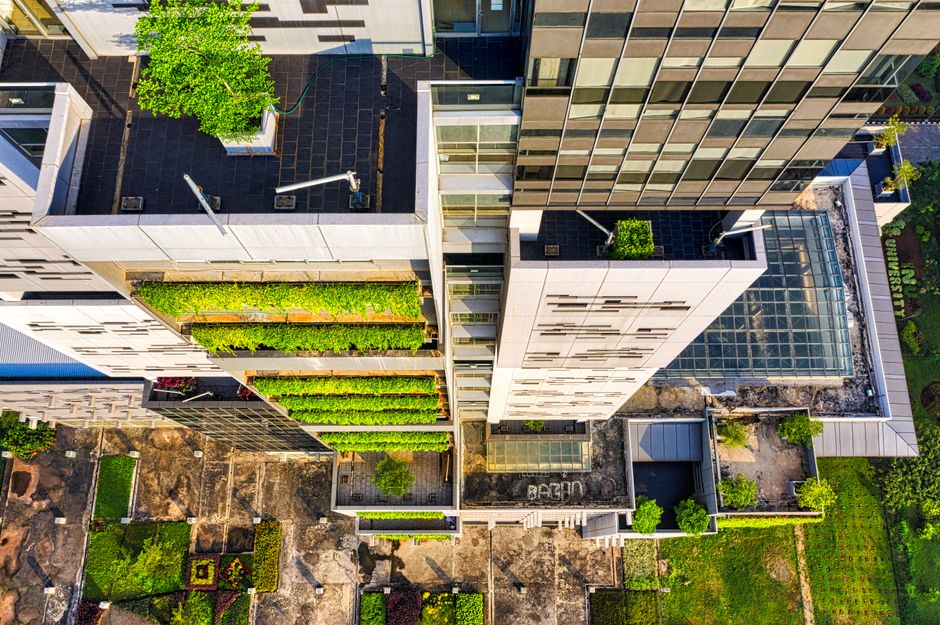
What Is Green Roofing and How Does It Work?
Green roofing refers to the installation of a layer of vegetation over a waterproof membrane on a flat or slightly sloped roof. This system can include everything from simple grass and sedum layers (extensive roofs) to more complex rooftop gardens with deeper soils and various plantings (intensive roofs). In Cheyenne, WY, green roofing addresses several needs unique to the region, such as fluctuating weather and the desire for resilient, sustainable infrastructure.
A green roof typically has several layers:
- A waterproof membrane
- A root barrier
- A drainage layer
- Soil or growing medium
- Vegetation suited for the climate
For commercial buildings in Cheyenne, these systems are often designed to withstand strong winds, hail, fluctuations in temperature, and periods of drought typical of the area.
Does Green Roofing Help With Energy Efficiency?
Yes, green roofing can significantly improve energy efficiency for many commercial properties. The vegetation and soil provide natural insulation, reducing the transfer of heat through the roof.
In practical terms, this means:
- During the hot, sunny summers common in the region, a green roof can absorb sunlight and keep the interior cooler.
- In winter, it adds an extra barrier against heat loss, which can be especially helpful given the high winds Cheyenne is known for.
Over time, this improved insulation can help stabilize indoor temperatures, lessen reliance on HVAC systems, and reduce overall energy costs for area businesses.
How Does Green Roofing Benefit Stormwater Management?
Green roofs absorb and filter rainwater, which helps manage runoff. This is particularly relevant in Cheyenne, where sudden thunderstorms and rapid snowmelt can overwhelm traditional drainage systems.
Some key local advantages include:
- Temporarily retaining water, slowing its release into municipal drains
- Filtering out dust and pollutants as the water moves through the soil and roots
- Reducing the risk of localized flooding or erosion around buildings
For sizable commercial buildings, these benefits can minimize strain on city infrastructure and lower the risk of water-related roof damage.
Can Green Roofing Improve Urban Air Quality?
Yes, plant life on green roofs can help trap airborne particles, filter pollutants, and create fresh oxygen. In areas with frequent vehicle traffic or dust (common near industrial or commercial zones in Cheyenne), even moderate green roof coverage can:
- Trap tiny particulates from the air
- Absorb certain gases, like carbon dioxide
- Cool the surrounding air, reducing heat-related smog formation
While a single building might have a modest effect, widespread adoption across commercial properties amplifies these clean air benefits for the community.
Is Green Roofing Durable in the Local Climate?
Cheyenne’s combination of strong winds, hail, freezing winters, and intense sun means that building owners often question if a green roof will last.
The answer depends on careful design and choice of plants:
- Hardy, drought-resistant species—such as sedum or native grasses—are often chosen for their resilience to both drought and cold
- Modern green roof systems are engineered with wind and hail in mind, including reinforced membranes and anchoring techniques
- Regular inspections after major storms or wind events help catch and address any damage early
Extensive green roofs, with shallow soil and low-maintenance plants, usually fare best in wind-prone areas. Intensive systems, which support deeper soil and taller plants, may require additional structural reinforcement but can still succeed with appropriate planning.
What Maintenance Is Required for Green Roofs?
Though green roofs need less upkeep than many expect, some ongoing care is necessary. For most commercial buildings in the region, this includes:
- Seasonal weed control and removal of invasive species
- Occasional watering during drought spells, especially in the first year as plants establish
- Checking drainage outlets and root barriers for clear operation
- Monitoring for signs of wind or pest damage
Building owners should keep in mind that initial plant selection and design choices can reduce later maintenance needs. Most green roofs become self-sustaining after the first year or two.
Are Green Roofs More Expensive to Install?
Installation of a green roof costs more upfront than typical commercial roofing options. Price varies by system complexity and building size, as well as any required structural upgrades.
However, several factors can offset these costs in Cheyenne:
- Longer roof lifespan, since the vegetation and soil protect the underlying membrane from sun, hail, and temperature swings
- Lower long-term energy bills due to the roof’s insulating and cooling effects
- Potential incentives through state or local sustainability programs—although availability can change, so this should be reviewed periodically
Many local property managers find that the savings and durability over time help balance the higher initial expense.
What Are Some Common Concerns or Misconceptions?
Some residents assume that green roofs won’t survive the harsh weather or that they require constant, difficult maintenance. In reality, modern green roof systems are designed to address these challenges. Choosing appropriate local plants, ensuring a secure installation, and following recommended maintenance routines make success much more likely in Cheyenne.
Another misconception is that green roofs are only for large, high-profile buildings. In fact, even modestly sized commercial properties can benefit, whether seeking energy savings, improved stormwater handling, or a more appealing roofline.