

 See My Latest Article on HelloNation
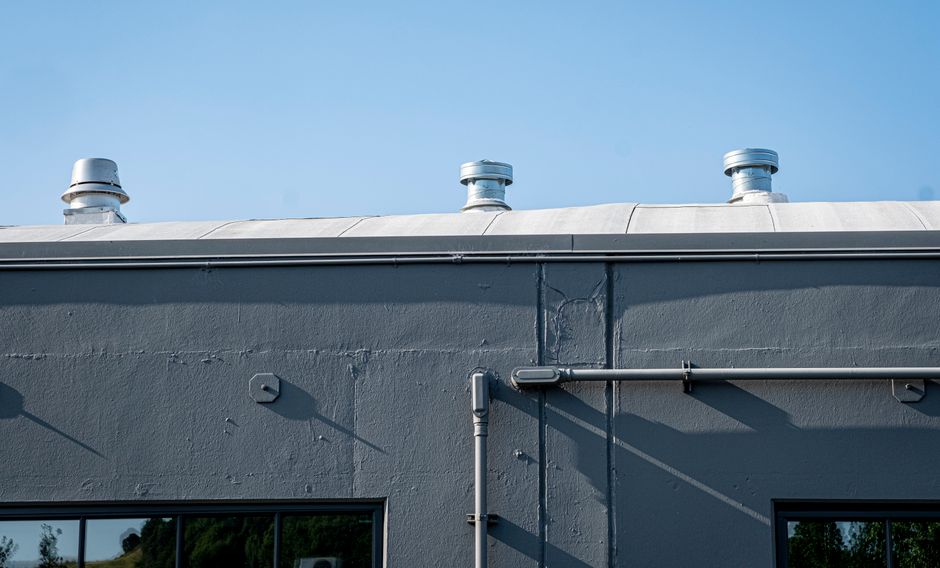
Why Does Roof Drainage Matter for Commercial Buildings?
Efficient roof drainage prevents water from pooling on flat and low-slope roofs, which is a common design for many commercial properties. Without proper drainage, standing water increases wear, leads to leaks, and can weaken roof structures over time.
Cheyenne, WY experiences seasonal storms, melting snow, and wind-driven debris, all of which can test a building’s drainage system. In this climate, even moderate precipitation, when combined with high winds, can push more debris onto roofs, causing blockages and unexpected pooling.
What Types of Roof Drainage Systems Are Used Locally?
Most commercial rooftops use a combination of internal and external drainage techniques:
- Internal Drains: These are often found in the centers of flat roofs. Water flows toward slightly sloped surfaces that direct it to roof drains, which are connected to pipes running inside the building. This helps prevent freeze-thaw issues outside and protects against ice dams, which can be a concern in Cheyenne’s winter months.
- Scuppers: These are openings near the roof edge that direct excess water to the building exterior, sometimes into downspouts. Scuppers are simple but can be overwhelmed in heavy rainfall if not sized or maintained correctly.
- Gutters and Downspouts: Though more common on sloped roofs, some commercial properties use robust gutter systems along roof edges to channel water away from the foundation.
Each option has its strengths. Internal systems are protected from freezing weather, while external options like gutters and scuppers are easier to inspect and clear.
How Does Local Weather Impact Roof Drainage?
Cheyenne’s variable climate affects how drainage systems perform year-round. Quick, heavy rains can flood drains before water has a chance to exit, while blowing leaves and gravel can clog inlets in fall and spring.
Cold snaps and snowmelt also matter. Ice buildup can block external gutters and scuppers, causing water to overflow or leak back inside. Internal drains can help prevent this, but only if the building’s insulation and heating keep interior pipes above freezing.
Because strong winds are a hallmark of the region, roof drains may be exposed to more debris than in calmer locations, making regular checks essential for most properties.
What Are Signs of Drainage Problems on Commercial Roofs?
Identifying trouble early can prevent more costly roof repairs. Common indicators include:
- Persistent puddles or ponding water after 48 hours, especially in low spots
- Sagging or soft areas on the roof
- Water stains on ceilings or upper walls inside the building
- Visible blockages around drains, scuppers, or gutters
- Ice dams or icicles forming along edges in cold weather
Many owners assume flat roofs should always dry slowly. While some minor standing water is unavoidable, large or long-lived puddles suggest a problem with slope, clogged drains, or insufficient drainage for the roof size.
How Can Local Owners Maintain Commercial Roof Drainage?
Regular inspection and maintenance prevent many drainage issues. Area businesses often schedule checks at least twice annually: early spring (after snow) and late fall (after leaves drop).
Routine steps include:
- Clearing debris from drain covers, gutters, and scuppers
- Inspecting for visible cracks or water damage on the roof surface
- Testing drains by pouring water near each inlet to confirm flow
- Checking internal pipes for leaks or blockages, especially during freeze-thaw cycles
Roofs under or near large trees may need more frequent attention due to needles, leaves, or twigs clogging inlets.
What Design Upgrades Improve Drainage?
Owners planning renovations or new builds should consider drainage early in the design phase. Improvements may include:
- Increasing the number or size of drains to handle peak local rainfall and snowmelt
- Adding tapered insulation or a slight structural slope to guide water toward outlets
- Installing expanded-capacity scuppers or custom-designed gutters for wide commercial roofs
- Upgrading drain covers to prevent debris from clogging inlets
These changes can be especially helpful for older properties where original construction did not account for current precipitation patterns or modern roofing materials.
Are There Regulations or Codes Affecting Roof Drainage in Cheyenne, WY?
Building codes in the community and throughout Wyoming require commercial roofs to handle expected rainfall and snow loads safely. Roof drainage systems must be designed to move water off the roof quickly, with overflow provisions to prevent interior flooding.
Inspections for code compliance may occur during new construction or significant remodels. Owners should ensure that drainage plans meet both state and local requirements, especially when properties border public spaces or neighboring buildings.
Codes typically address:
- Minimum drain size and placement
- Secondary drainage for overflow scenarios
- Materials rated for freeze-thaw durability
Proper documentation and maintenance records may help in insurance claims following water-related roof issues.
What Are Common Mistakes or Misconceptions About Commercial Roof Drainage?
A frequent misconception is that larger drains alone solve ponding problems. In reality, roof slope and debris management mean just as much as drain capacity.
Another common error is overlooking freeze protection for roof drains—internal systems help, but external elements should also have winterization steps, especially after storm seasons.
Owners sometimes delay cleaning until major problems appear, but proactive care catches minor issues before they cause damage or safety hazards.
What Should Owners Do During Heavy Storms or Snow Events?
During high-precipitation events, periodic checks from a safe access point can limit the impact of blockages. Clearing visible debris from covers or scuppers, when safe, may help avoid overflow and water damage.
After major snow, prompt snow removal from flat rooftops is important to relieve load and allow meltwater to drain properly. This reduces the risk of leaks and structural strain.
Extreme caution is required around icy roofs—personal safety should always come first. Roofs with ongoing historic drainage problems may require evaluation for permanent corrective action, especially if flooding affects occupied spaces.