

 See My Latest Article on HelloNation
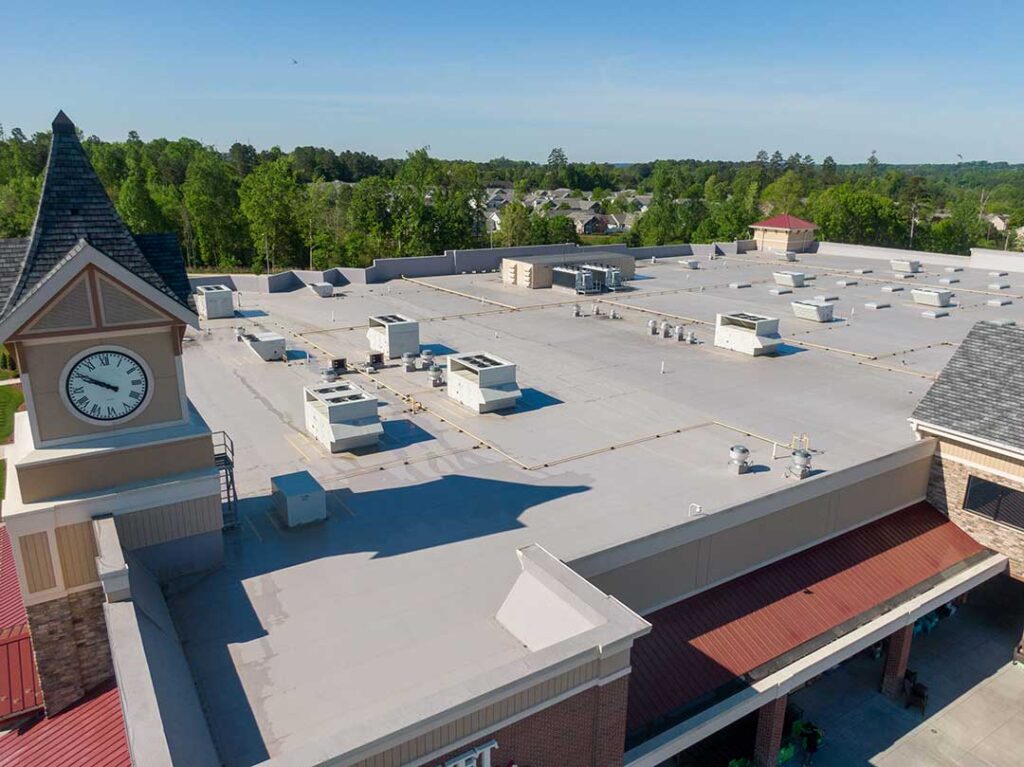
Commercial roof problems rarely begin with a dramatic collapse. More often, damage develops through small leaks, weakened seams, clogged drainage, or insulation that stays wet after a storm. Property managers who recognize early warning signs can document problems sooner, reduce interior disruption, and help prevent minor defects from becoming extensive building damage.
What are the earliest signs of commercial roof damage?
The earliest signs are often subtle: stained ceiling tiles, recurring damp odors, loose flashing, ponding water, or patches of roofing material that look different from the surrounding surface. A roof does not need to be visibly leaking inside for damage to be underway.
During routine walks, watch for:
- Water marks on ceilings, walls, or upper portions of partitions
- Peeling paint, bubbling finishes, or softened drywall
- Musty odors in offices, storage rooms, or mechanical spaces
- New drafts or temperature differences near the roof line
- Discolored insulation visible around roof access points
- Drips that appear only after heavy rain, snow, or rapid thawing
A leak may travel along decking, insulation, framing, or utility lines before appearing indoors. The location of an interior stain may therefore be several feet away from the actual roof defect.
How can a property manager inspect a commercial roof safely?
A roof inspection should begin from the ground and from interior spaces. Walking on the roof is not appropriate unless the surface, access equipment, fall protection, and building procedures make it safe.
From the ground, look for:
- Sagging roof areas
- Torn, lifted, or missing membrane sections
- Loose edge metal, coping, or flashing
- Damaged rooftop equipment curbs
- Excessive debris or visible vegetation
- Water remaining on the roof after nearby surfaces have dried
- Downspouts or drainage outlets that appear blocked
From inside the building, inspect the underside of the roof deck where accessible. A flashlight can reveal darkened wood, rusted metal, damp insulation, or active dripping. Any ceiling tile that has shifted, sagged, or become brittle deserves attention, even if it appears dry during the inspection.
Never step near skylights, translucent panels, roof edges, or areas that appear soft. A surface can look intact while the material beneath it has deteriorated.
Why are ponding water and drainage problems serious?
Ponding water is water that remains on the roof after precipitation has ended, commonly for more than 48 hours. Persistent ponding adds weight, accelerates material aging, and may expose weaknesses in seams, flashing, insulation, or structural supports.
Drainage concerns include:
- Blocked roof drains
- Ice or debris around scuppers
- Downspouts disconnected from the drainage system
- Gutters that overflow during moderate precipitation
- Low spots created by compressed insulation or structural movement
- Water collecting near equipment bases or roof penetrations
Cheyenne’s freeze-thaw cycles can make drainage issues more damaging. Water that enters a small opening may freeze, expand, and enlarge the defect. Repeated thawing and refreezing can also loosen sealants and stress seams.
Property managers should document the location, approximate size, and duration of standing water rather than assuming it will disappear without consequences.
What do damaged seams, flashing, and penetrations look like?
Many commercial roofs fail first at transitions and interruptions in the roof surface. Seams, flashing, curbs, vents, pipes, drains, skylights, and access hatches all require careful detailing because they connect different materials or create openings through the roof assembly.
Warning signs include:
- Open or separated membrane seams
- Bubbling, wrinkled, or lifted roofing material
- Cracked, shrinking, or missing sealant
- Flashing pulled away from walls or curbs
- Rust around metal edge components
- Exposed fasteners or fasteners that appear loose
- Gaps around pipes, vents, or equipment supports
- Patches that are peeling or no longer bonded
A patch does not automatically mean the roof is failing. However, numerous patches in the same area may indicate a recurring drainage, movement, or installation problem rather than isolated damage.
How do wind and hail damage affect commercial roofs?
Wind damage can be difficult to see from the ground. Strong gusts may lift membrane edges, loosen perimeter materials, or damage flashing without creating an immediate interior leak. Later precipitation can enter through a defect that was not obvious when the storm ended.
Look for raised edges, displaced coping, missing granules on surfaced materials, torn membranes, and debris that has struck rooftop equipment or penetrations. Hail may leave dents, fractured surfaces, punctures, or areas where protective surfacing has been removed.
After a severe storm, compare the roof with previous inspection photographs if available. Photographs help distinguish new damage from older repairs and create a useful record for building maintenance decisions.
Can heating and cooling problems indicate roof damage?
Yes. A roof problem may affect indoor temperature before water becomes visible. Wet insulation loses insulating value, while gaps or compressed areas can create cold spots, drafts, and higher heating or cooling demand.
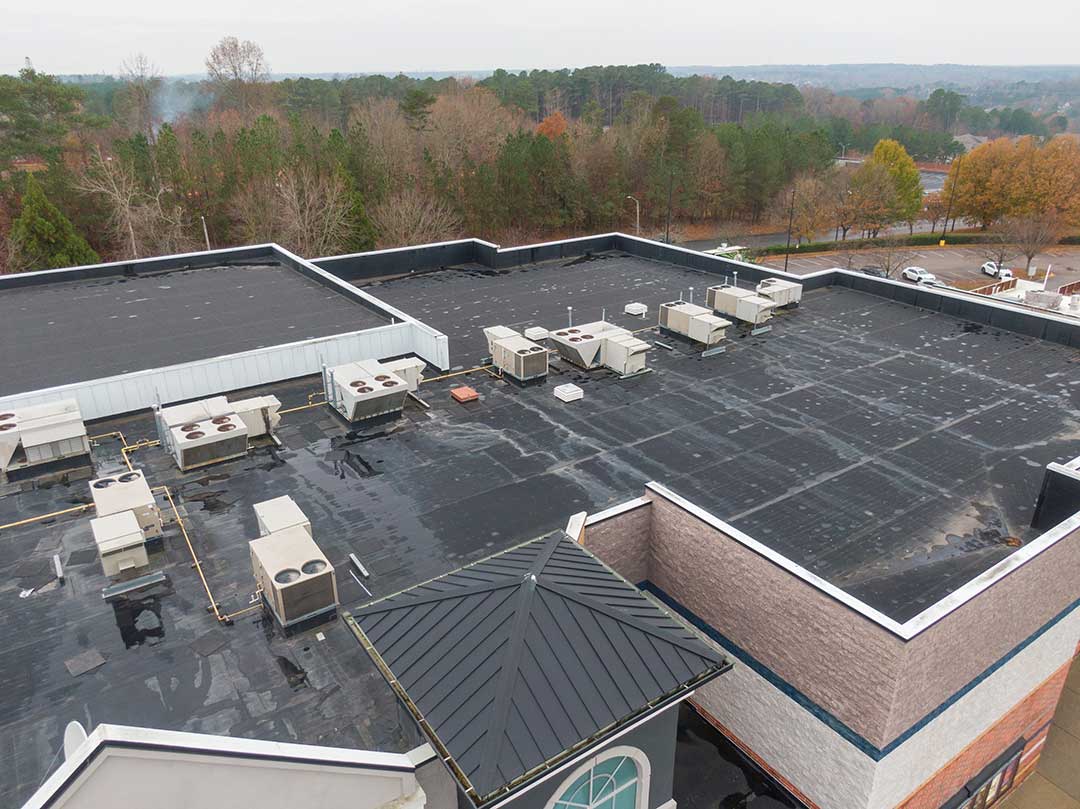
Possible clues include:
- One room becoming noticeably colder or warmer than adjacent rooms
- HVAC equipment operating longer than usual
- Condensation near the ceiling or roof deck
- Frost or dampness in poorly ventilated roof spaces
- Repeated comfort complaints from occupants
- Utility use that changes without a corresponding change in occupancy or weather
These symptoms can have causes unrelated to the roof, such as mechanical failures or air-sealing problems. They become more meaningful when they occur near visible staining, ponding, damaged insulation, or roof penetrations.
What should be checked after snow, ice, or severe weather?
After significant weather, inspect interior areas first for active leaks, then examine drainage and visible exterior components when conditions are safe. Snow should not be removed casually from a commercial roof because uneven shoveling, sharp tools, and foot traffic can damage the membrane or create fall hazards.
Pay attention to:
- Water entering around roof drains during thawing
- Ice buildup at edges and drainage points
- Ceiling stains that appear several hours after melting begins
- Sagging ceilings or bulging wall finishes
- Loose metal or membrane caused by wind
- Snow piled against rooftop equipment or access points
- New leaks in areas that were previously dry
Cheyenne’s exposed, windy conditions can increase stress on roof edges and rooftop attachments. Areas along perimeters, corners, parapets, and equipment curbs often deserve closer observation after high winds.
When does roof damage require immediate action?
Immediate action is warranted when water is entering electrical areas, ceilings are sagging, structural components appear weakened, or large sections of roofing have lifted. Active leaks should be contained with suitable interior measures while keeping people away from unsafe areas.
Escalate the issue promptly when:
- Water is near electrical panels, wiring, or light fixtures
- A ceiling is bulging, cracking, or shedding material
- The roof deck is visibly corroded, decayed, or deflected
- A drain is blocked while water is accumulating
- Wind has displaced edge metal or large roof sections
- Interior spaces cannot be safely occupied
- Mold-like odors or persistent dampness are developing
Keep a written record of the date, weather conditions, affected areas, photographs, and temporary measures taken. Consistent documentation helps identify recurring defects and supports better maintenance planning.
How often should commercial roof warning signs be reviewed?
Visual checks should occur as part of regular property inspections, with additional reviews after major wind, hail, snow, or rapid temperature changes. Interior ceilings, roof drains, perimeter materials, and known repair areas deserve particular attention.
A roof inspection record should include the inspection date, observed conditions, photographs, active leaks, drainage status, and any changes since the previous review. Regular observation is not a substitute for a detailed roof assessment, but it can reveal developing problems before they interrupt occupants or damage valuable contents.