

 See My Latest Article on HelloNation
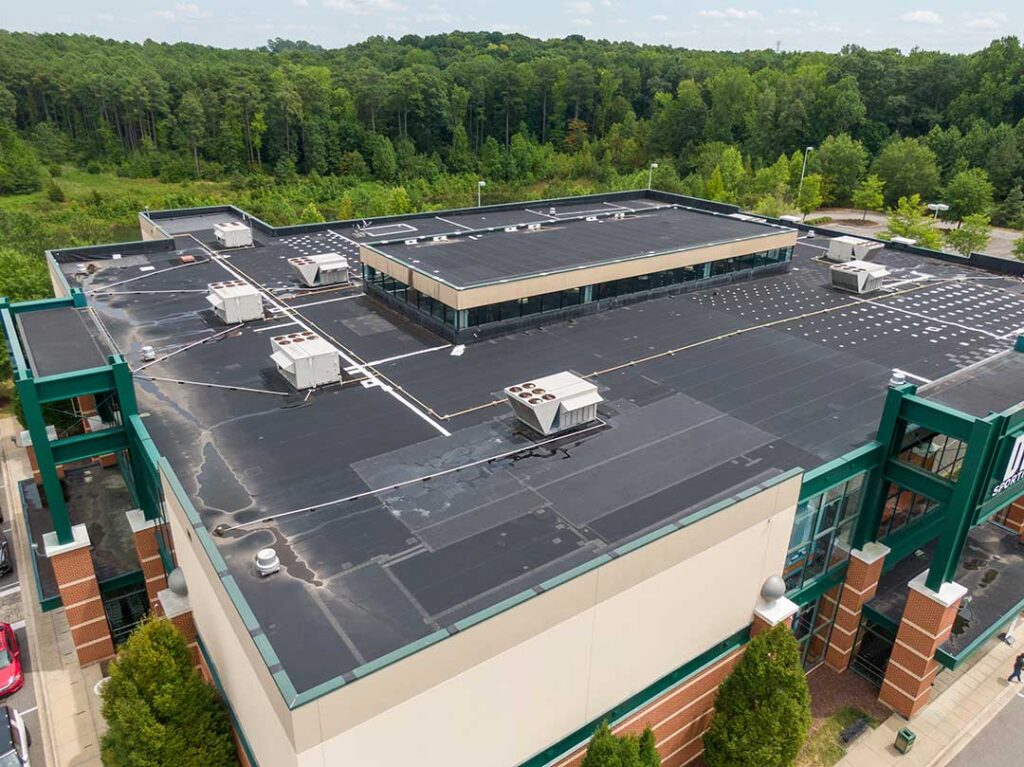
Commercial roofs should generally be inspected at least twice a year—once in the spring and again in the fall. Additional inspections are wise after severe weather, major repairs, a roof replacement, or any event that may have damaged rooftop equipment or drainage systems.
For buildings in Cheyenne, roof inspections are especially useful because commercial roofing systems must handle strong wind, freeze-thaw cycles, snow, ice, intense sunlight, and rapid temperature changes. Regular inspections do not prevent every problem, but they can identify small defects before they become leaks, structural concerns, or expensive interruptions to building operations.
How often should a commercial roof be inspected?
A twice-yearly inspection schedule is a practical baseline for most commercial buildings. Spring inspections help identify damage caused by winter weather, while fall inspections prepare the roof for colder conditions and possible snow accumulation.
A commercial roof may need more frequent inspections if it:
- Is more than 10 years old
- Has a history of leaks or recurring repairs
- Supports heating, cooling, solar, or other rooftop equipment
- Has many penetrations, drains, skylights, or seams
- Serves a building that must remain continuously operational
- Is exposed to unusual foot traffic or maintenance activity
- Has experienced recent construction or mechanical work
The recommended schedule can also depend on the roofing material, installation quality, drainage design, warranty requirements, and the condition of the roof’s insulation or structural deck.
Why are spring and fall inspections useful?
Spring inspections can reveal problems that developed during winter. Ice, snow, wind, and repeated freezing and thawing may loosen flashing, split sealants, damage membrane seams, or create openings around penetrations.
An inspector may also look for clogged drains, damaged edging, standing water, displaced insulation, and signs that moisture entered beneath the roofing system. These issues may not be visible from inside the building until they become more advanced.
Fall inspections serve a different purpose. They provide an opportunity to clear debris, check drainage paths, examine flashing, and address vulnerable areas before colder weather arrives. A roof that appears sound in late summer may still need preparation if drains are obstructed or water is collecting in low areas.
Should a roof be inspected after a storm?
Yes. A commercial roof should be inspected after severe wind, hail, heavy snow, or other unusual weather, particularly if the building has visible damage or new interior leaks.
Storm-related roof damage is not always obvious from the ground. Wind may lift membrane edges or loosen metal components without creating an immediate opening. Hail can damage rooftop surfaces, flashing, vents, and equipment. Heavy snow may stress areas that already have drainage or structural problems.
After a major weather event, building owners or facility managers should watch for:
- New stains on ceilings or walls
- Water near light fixtures, electrical equipment, or mechanical rooms
- Loose metal trim or exposed fasteners
- Punctures, tears, or lifted roofing material
- Blocked drains or overflowing roof edges
- New ponding water after precipitation ends
- Damaged rooftop units, vents, or skylights
Interior observations are useful, but they do not replace a roof-level inspection. Some damage remains hidden below the surface or occurs in areas that cannot be seen from inside the building.
What happens during a commercial roof inspection?
A thorough inspection examines more than the visible roof surface. The process usually includes a review of the roofing membrane or panels, seams, flashing, penetrations, edges, drainage, rooftop equipment, and accessible interior areas.
The inspector may document:
- Cracks, splits, blisters, punctures, or open seams
- Deteriorated coatings, sealants, or flashing
- Loose fasteners, trim, coping, or edge materials
- Standing water and blocked drainage components
- Damaged insulation or soft areas
- Evidence of moisture below the roof surface
- Conditions around vents, pipes, skylights, and equipment supports
- Interior stains, damp insulation, peeling paint, or musty odors
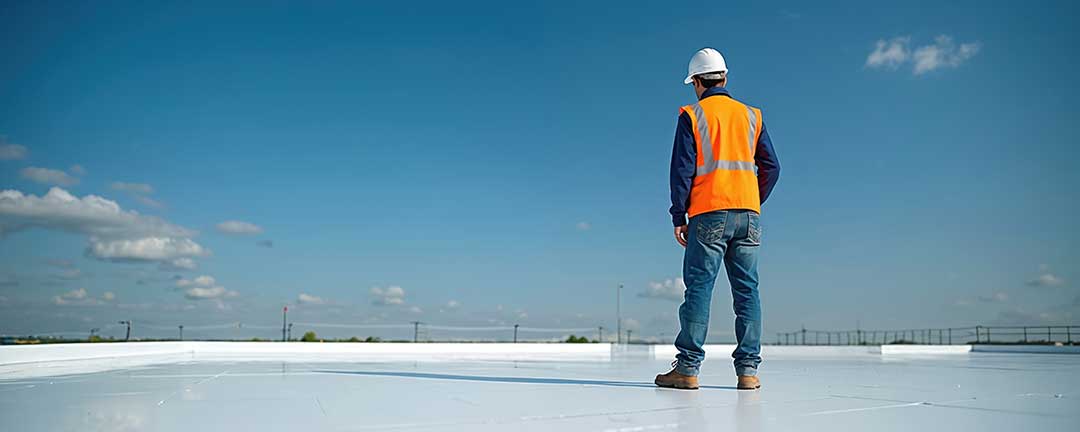
A useful inspection report should distinguish between routine maintenance, minor repairs, developing concerns, and urgent conditions. Photographs and location descriptions make it easier to track whether a problem is stable or getting worse.
Can building staff inspect the roof themselves?
Building staff can perform basic visual checks, but roof-level inspections may involve fall hazards, fragile surfaces, electrical equipment, slippery conditions, and concealed damage. Access should be limited to people who are trained, authorized, and equipped for the conditions present.
Routine observations from safe areas can still be valuable. Facility personnel can look for blocked drains, debris, ceiling stains, visible ponding, damaged rooftop equipment, and changes noticed after storms. They should not walk across areas that appear soft, wet, cracked, unstable, or covered by snow or ice.
Safety concerns are more significant on low-slope commercial roofs because the surface can appear flat and easy to cross while still containing skylights, weak areas, unprotected edges, or hidden openings.
How does Cheyenne’s weather affect inspection timing?
The local climate creates several reasons to maintain a consistent inspection routine. Strong winds can stress roof edges, flashing, fasteners, and rooftop equipment. Winter conditions can expose weaknesses in drainage and waterproofing systems. Repeated freezing and thawing may enlarge small cracks or openings.
Large temperature changes can also cause roofing materials and metal components to expand and contract at different rates. Over time, that movement may place stress on seams, joints, sealants, and flashing details.
Snow and ice deserve particular attention. Snow should not automatically be removed from every commercial roof, since unnecessary foot traffic or improper removal can damage roofing materials. However, unusual accumulation, drifting, blocked drainage, or signs of structural distress should be treated seriously and evaluated safely.
What is the difference between a roof inspection and roof maintenance?
A roof inspection evaluates the condition of the system. Roof maintenance involves taking specific steps to preserve that condition, such as removing damaging debris, clearing drainage components, replacing deteriorated sealants, or correcting minor flashing problems.
An inspection may find that no immediate repair is needed. It may also identify a condition that should be monitored during the next season rather than repaired immediately. The value of an inspection is not measured only by the number of defects found; it also provides a documented baseline for future decisions.
Maintenance records should include inspection dates, weather events, photographs, repairs, leaks, and changes in rooftop equipment. Keeping these records helps identify recurring problems and provides useful information when evaluating the remaining service life of the roof.
When is an inspection especially urgent?
An inspection should be prioritized when a building develops unexplained leaks, repeated ceiling stains, unusual odors, or visible damage after severe weather. It is also prudent before purchasing a commercial property, before adding rooftop equipment, after major construction, or near the end of a roof warranty period.
Immediate caution is warranted if there is sagging, widespread ponding, exposed electrical equipment, damaged structural components, or water near occupied areas. People should avoid walking on questionable roof surfaces and keep clear of areas where falling materials or electrical hazards may exist.
For most commercial properties, the practical answer is simple: inspect twice each year, inspect after significant weather or construction activity, and increase the frequency when the roof is older, complex, heavily used, or showing warning signs.