

 See My Latest Article on HelloNation

A commercial roof rarely fails without warning. Water stains, damaged flashing, blocked drains, unusual indoor odors, and visible surface changes can all signal that moisture or structural problems are developing above the occupied space.
For buildings in Cheyenne, WY, strong winds, hail, freeze-thaw cycles, blowing snow, and rapid weather changes can place repeated stress on roofing materials. Recognizing early warning signs helps building owners, managers, and occupants respond before a manageable repair becomes an interior damage or safety problem.
Which roof problems require immediate attention?
The most urgent signs are active leaks, sagging ceilings, damaged roof edges, exposed insulation, large membrane tears, and conditions that create a fall or electrical hazard. These issues should not be treated as routine maintenance.
Immediate attention is especially appropriate when:
- Water is entering occupied areas or reaching electrical equipment.
- A ceiling tile is swollen, stained, or beginning to fall.
- The roof surface is visibly sagging or holding unusual amounts of water.
- Wind has lifted membrane edges, metal panels, coping, or flashing.
- A storm has left punctures, hail impacts, or scattered roofing debris.
- Interior spaces develop a persistent musty odor after wet weather.
- Snow, ice, or water is accumulating near drains, scuppers, or roof edges.
Roof access should be restricted when surfaces are icy, unstable, visibly damaged, or near unprotected edges. Roofing inspections and repair work involve fall hazards, and OSHA identifies deteriorating, slippery, and steep roof surfaces as conditions requiring specific safety controls. ([osha.gov](https://www.osha.gov/etools/hurricane/activity-sheets/building/roof-inspection?utm_source=openai))
What does an active commercial roof leak look like?
An active leak may appear as a ceiling stain, but the visible mark is often not directly below the roof opening. Water can travel along decking, insulation, beams, pipes, or mechanical equipment before entering the occupied area.
Common indicators include:
- Brown, yellow, or spreading ceiling stains
- Dripping during rain or snowmelt
- Damp insulation or wall surfaces
- Bubbling paint or blistered coatings
- Wet carpet, flooring, or stored materials
- A musty smell that becomes stronger after precipitation
- Repeated leaks in the same area
A leak that stops after the weather clears still needs attention. Commercial roofing systems may allow water to migrate beneath the surface, where it can remain hidden and damage insulation or structural materials. Dry interior conditions do not prove that the roof has stopped leaking.
If water is near electrical panels, lighting, outlets, machinery, or other energized equipment, the affected area should be kept clear until it can be evaluated safely.
Why are ponding water and clogged drains serious?
Standing water that remains after a reasonable drying period can indicate blocked drainage, a depressed roof area, inadequate slope, or a damaged drainage component. On low-slope commercial roofs, ponding adds weight and keeps roofing materials wet for longer periods.
Drainage concerns include:
- Water surrounding a drain or scupper
- Leaves, sediment, ice, or debris blocking an outlet
- Overflow marks on walls or roof edges
- Water remaining in the same location after several dry days
- Sagging membrane or decking near a drain
- Interior leaks below a recurring pond
A small amount of temporary water after a storm is not automatically an emergency. Persistent ponding, however, can accelerate membrane deterioration and increase the chance of leaks during the next storm or freeze.
Snow and ice deserve additional caution in this region. Removing roof snow without proper equipment or a safe plan can damage the membrane and expose workers to falls. Building occupants should not climb onto the roof to inspect or clear these conditions.
What storm damage should be checked first?
High winds and hail can damage a commercial roof even when the interior remains dry. Wind may loosen edge metal, flashing, rooftop equipment screens, or membrane seams. Hail can create punctures, fractures, or soft spots that become leaks later.
After a severe storm, visible warning signs include:
- Roofing materials or fasteners found on the ground
- Lifted, wrinkled, or displaced membrane
- Dented metal panels or flashing
- Cracks around rooftop curbs, vents, and equipment
- Loose insulation or exposed underlayment
- Damaged skylights or roof hatches
- New water stains appearing hours or days later
Cheyenne’s exposure to strong wind and occasional hail makes storm-related roof checks particularly useful after major weather events. Weather damage is not always obvious from ground level, so binocular observations from a safe location can be more appropriate than an unprotected roof walk. Local National Weather Service climate records document severe wind and hail events affecting the surrounding area. ([forecast.weather.gov](https://forecast.weather.gov/product.php?format=TXT&glossary=1&issuedby=CYS&product=CLM&site=NWS&version=2&utm_source=openai))
What do damaged flashing and roof edges indicate?
Flashing directs water away from seams, walls, curbs, vents, skylights, and other transitions. If flashing separates, bends, cracks, or loses its seal, water can enter even when the main roof field looks intact.
Pay close attention to:
- Gaps where the roof meets a wall
- Loose metal along parapet caps
- Cracked sealant around vents or curbs
- Rusted or separated edge components
- Torn material at corners and penetrations
- Water marks beneath wall-to-roof transitions
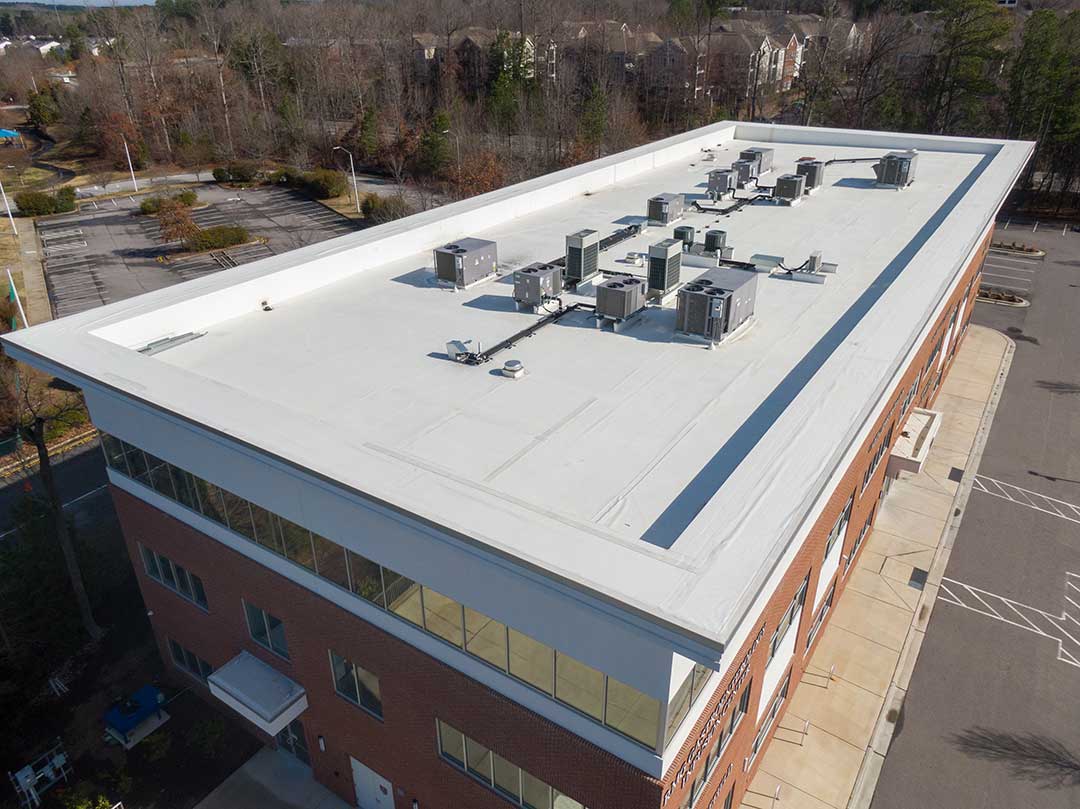
Roof edges are especially vulnerable to wind uplift. A small lifted section can expose a larger area to repeated wind pressure, allowing damage to spread during later storms.
Can indoor temperature or energy changes reveal roof trouble?
Unexpected changes in heating and cooling performance can sometimes point to wet insulation, air leakage, or deteriorated roofing materials. A roof problem may be present when one section of a building becomes unusually cold, hot, humid, or drafty.
Other indirect clues include:
- Rising heating or cooling use without a clear operational reason
- Condensation on ceilings, ducts, or interior roof components
- Uneven temperatures beneath one roof area
- Damp insulation discovered during maintenance work
- Peeling finishes or corrosion on interior metal components
These signs do not prove that the roof is failing. HVAC problems, plumbing leaks, and ventilation issues can produce similar symptoms. The location, timing, and relationship to precipitation can help distinguish the likely source.
Does an older roof always need replacement?
No. Age alone does not determine whether a commercial roof requires replacement. A properly maintained system may remain serviceable, while a newer roof can develop urgent problems after storm damage, installation defects, punctures, or drainage failures.
More meaningful warning signs include:
- Repeated repairs in the same area
- Widespread cracking, blistering, or surface loss
- Numerous exposed fasteners or open seams
- Wet insulation across multiple sections
- Frequent leaks despite patching
- Structural movement or sagging
- Roofing materials that have become brittle or detached
Maintenance records, repair history, roof type, drainage design, and the condition of insulation all matter when deciding whether a problem is localized or widespread.
What should occupants do when damage is suspected?
Start with safety and documentation. Keep people away from unstable ceilings, wet electrical areas, roof edges, and damaged interior spaces. Use containers to control minor drips only when doing so does not require standing beneath a sagging ceiling or near electrical equipment.
Useful information to record includes:
- The date and time the problem was noticed
- Weather conditions before and during the leak
- The exact interior location
- Photos taken from a safe position
- Whether the issue changes during rain, snowmelt, or strong wind
- Any equipment, inventory, or electrical systems affected
Do not puncture a bulging ceiling, remove roof materials, or walk across a questionable roof surface. A roof can appear stable while concealed decking, insulation, or skylights have weakened. OSHA safety guidance emphasizes controlling access and recognizing fall hazards before roof inspection, tarping, or repair activities begin. ([osha.gov](https://www.osha.gov/etools/hurricane/activity-sheets/building/roof-inspection?utm_source=openai))