

 See My Latest Article on HelloNation
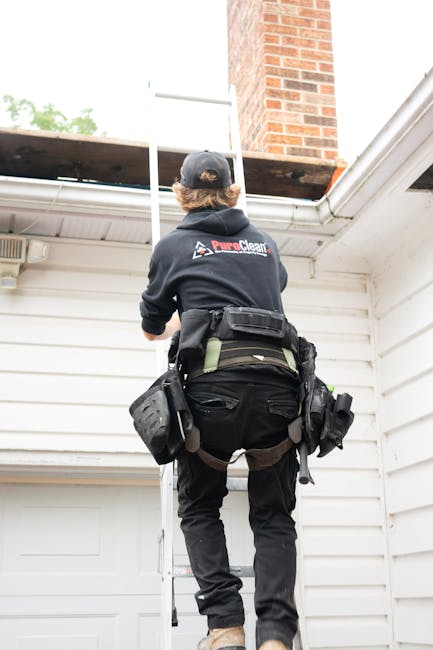
Living in Cheyenne, WY brings with it a sense of pride in our community and a true appreciation for the rugged beauty of the High Plains. But every Cheyenne business owner knows that our location also comes with weather extremes—strong wind, sudden hailstorms, and dramatic temperature swings. These elements take a toll on commercial roofing systems, making proactive maintenance not just a smart choice, but an essential one for protecting your investment.
If you’re searching for the best practices to extend your roof’s lifespan in Cheyenne, look no further. This comprehensive guide shares practical, easy-to-follow maintenance tips tailored to our local climate, answering the most common questions property owners and facility managers have about keeping their roofs in top condition.
Why Roof Maintenance Matters in Cheyenne, WY
Our city sits at nearly 6,000 feet above sea level where spring blizzards, summer hail, and harsh UV rays all challenge roof durability. A well-maintained roof will:
- Prevent costly leaks and water damage
- Improve energy efficiency inside your building
- Guard against structural issues
- Preserve the appearance and value of your property
Ignoring scheduled maintenance, on the other hand, often results in premature roof replacement—a much greater expense.
1. Schedule Seasonal Roof Inspections
Inspections are your first line of defense. Cheyenne’s fierce weather can cause damage in an instant, so plan inspections at least twice a year:
- Spring Inspection: Check for winter storm damage, especially after heavy snow or high winds.
- Fall Inspection: Prep for upcoming snow and ensure drainage systems are clear.
After significant hailstorms or wind events—common in Laramie County—it’s a wise idea to schedule an extra inspection, even if your roof appears intact. Subtle dents or punctures often go unnoticed until they result in leaks.
2. Keep Gutters and Drains Clear
Clogged gutters are a frequent culprit behind roof damage in our region. With Cheyenne’s windy conditions, leaves, pine needles, and debris can quickly fill up drainage channels, leading to standing water and eventual roof deterioration.
- Remove visible debris every season, especially after storms
- Ensure downspouts direct water far from the foundation
- Watch for icicles or ice dams in winter, which can lead to water backup under roofing materials
Remember: Proper drainage not only prevents leaks but also protects your building’s foundation and landscaping.
3. Address Minor Repairs Promptly
Cheyenne’s weather rarely gives small problems time to wait. Even a tiny tear in a membrane or a loose shingle can expand rapidly with the freeze-thaw cycles we experience throughout late winter and spring.
- Patch punctures or blisters immediately
- Re-seal exposed fasteners or flashing
- Replace damaged shingles, tiles, or membranes right away
Neglecting these small maintenance tasks increases vulnerability to heavy precipitation, leading to more extensive repairs down the road.
4. Monitor for Ponding Water
Flat and low-slope commercial roofs are prevalent in Cheyenne, making “ponding” one of the most common concerns. When water lingers for more than 48 hours after rain, it stresses the roof structure and accelerates deterioration.
- Look for standing puddles, especially near HVAC units, skylights, and around drains
- Check for sagging or soft spots underfoot, which indicate trapped moisture
- Consult a roofing expert for re-sloping or additional drainage if ponding is a repeated issue
Proper grading and adequate drainage design are crucial in our climate to handle sudden downpours and rapid snowmelt.
5. Remove Snow and Ice Safely
Cheyenne winters can dump several feet of snow, and the weight can become a real threat to your roof’s structural integrity—especially on older buildings.
- Clear excess snow with roof rakes or hire professionals for safe removal
- Avoid using salt, which can damage the roofing material and increase corrosion
- Be alert for ice dams, which often form along the edges due to rapid thaw and refreeze
Keeping snow weight in check is not just about the roof—it’s also a safety issue for everyone inside your property.
6. Control Roof Traffic
Commercial roofs often house HVAC systems, satellite dishes, and other equipment requiring occasional access. Unfortunately, excessive foot traffic can cause damage to membranes and seams.
- Designate walkways using protective mats or pavers
- Limit access only to trained personnel or contractors
- Mark off sensitive areas near edges, skylights, or drainage features
Minimizing unnecessary activity will reduce wear and help your roof stand up longer to Cheyenne’s demanding conditions.
7. Invest in Preventative Maintenance Plans
Many local businesses work with trusted Cheyenne-based roofing contractors to establish annual or bi-annual maintenance plans. These professional plans include:
- Routine inspections and minor repairs
- Detailed documentation for warranty compliance
- Customized schedules based on your roof type and building usage
Opting for a regular maintenance contract provides peace of mind—and can often catch issues before they escalate into emergencies.
8. Stay Proactive with Documentation
Keep a detailed log of all roof maintenance or repairs performed, including dated photos after each inspection. Should you need to file an insurance claim (common after hailstorms), thorough records will speed the process and help you recover costs faster.
Cheyenne Roofing Maintenance: Answering Your Top Questions
How often should I have my commercial roof inspected in Cheyenne?
Ideally, every spring and fall—plus after major storms or hail events.
What’s the biggest threat to roofs in Cheyenne’s climate?
High winds and hail are top contributors to premature roof failure. Proper inspection and repairs are key defenses.
What’s the best way to remove ice dams?
Use a roof rake from the ground, or hire trained professionals—never chip ice with sharp tools.
Final Thoughts
The Cheyenne lifestyle means facing Mother Nature head-on, and that includes caring for your commercial roof with diligence. Following these essential maintenance steps will save you money, protect your business, and ensure your roof is ready for whatever Wyoming’s wild weather brings.
If you have questions about your specific building, don’t hesitate to consult a local Cheyenne roofing specialist for tailored advice and services.