

 See My Latest Article on HelloNation
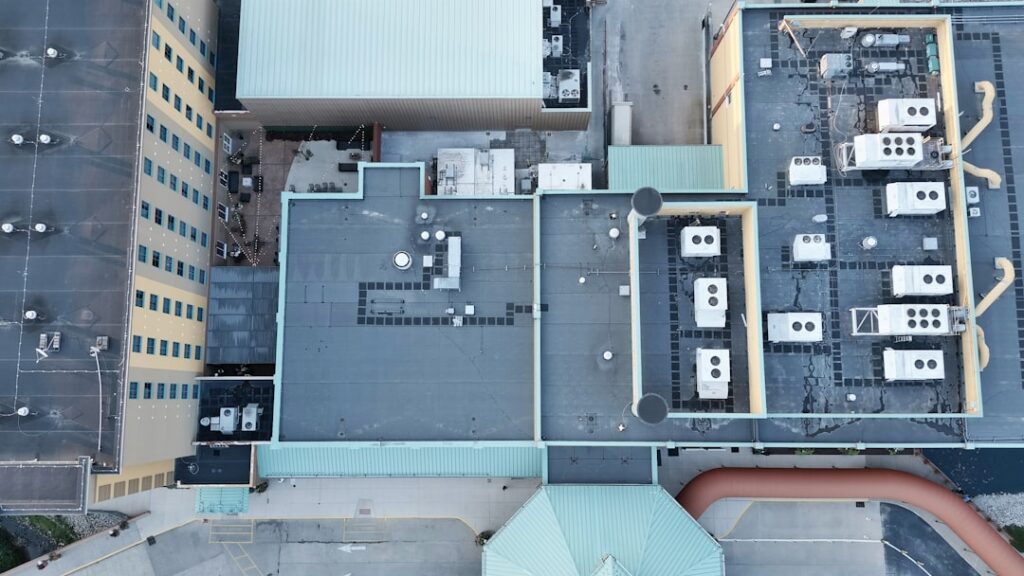
Cheyenne, WY, is known for its wide-open plains, historic railroad roots, and the unique blend of wild weather patterns that roll through every season. For local businesses, maintaining a sturdy, dependable commercial roof isn’t just about appearances—it’s critical for asset protection, energy efficiency, and day-to-day operations. Yet, commercial roof failures happen more often than many realize. Identifying the most common causes of these failures can help business owners in Cheyenne prevent catastrophe before it strikes.
Why Do Commercial Roofs Fail? Common Causes You Should Watch For
Commercial roof failure can lead to significant downtime, inventory loss, building damage, and even liability hazards for employees or customers. Understanding why commercial roofs fail is the first step toward prevention and better long-term performance.
1. Extreme Weather Exposure
Cheyenne is famous for its four-seasons-in-a-day weather. The dramatic temperature swings, sudden snowstorms, heavy winds, and intense hailstorms all take their toll on local roofs.
- Wind Uplift: Strong winds are a near-constant presence in Cheyenne. Over time, wind can pry up flashing, loosen fasteners, and even strip away entire sections of roofing material.
- Hail Impact: Hail can puncture membranes, tile, or metal panels, causing undetected leaks that grow into serious problems.
- Snow and Ice Accumulation: Snow buildup and repetitive freeze-thaw cycles can lead to “ice dams,” trapping water on the roof and causing seams to split or drains to back up.
2. Poor or Inadequate Installation
Even the best materials won’t perform if a roof isn’t installed to manufacturer and local code specifications. In Cheyenne, the demands of wind and weather make precise installation even more critical.
- Incorrect Attachment: Skipping fasteners or using the wrong adhesive can allow sections to peel.
- Improper Slope: Flat or low-sloped roofs must be designed for controlled drainage. If not, water can pond and eventually seep in.
- Faulty Flashing: Flashing should protect vulnerable joints and roof edges. Mistakes here are a direct line for water infiltration.
3. Lack of Regular Maintenance
Regular roof inspections aren’t just a box to check—they’re essential in the rugged Cheyenne environment. Many commercial roof failures start as minor, preventable issues that go unnoticed until major leaks or structural damage occur.
- Ignored Debris: Fallen branches, trash, and even windblown gravel can clog drains and cut into membranes.
- Unaddressed Ponding: Persistent water ponds are a warning sign. If left unchecked, they accelerate deterioration and lead to leaks.
- Delayed Repairs: Small cracks or blisters left alone can expand rapidly with freeze-thaw cycles or added moisture.
4. Age and Material Fatigue
Every roof has a lifespan, and Cheyenne’s mix of freeze-thaw cycles, high UV exposure, and intense weather can speed up aging.
- UV Degradation: Wyoming’s elevation and open sky mean strong sunlight. Over time, UV rays break down roofing membranes, making them brittle or cracked.
- Thermal Shock: Daily temperature swings can cause roofing materials to expand and contract—eventually resulting in splits or failed seams.
5. Poor Drainage and Standing Water
Cheyenne businesses often have flat or low-sloped roofs to accommodate snowfall and equipment. But poor drainage design, blocked drains, or sagging roof areas can trap water—and standing water is one of the fastest routes to roof failure.
- Sagging Decks: If the underlying structure warps from age, overload, or previous water damage, low spots form where water sits.
- Clogged or Inadequate Drains: With windblown dust, leaves, and Cheyenne grit, commercial roof drains can clog frequently. Unless cleared, water backs up quickly.
6. Traffic and Roof Abuse

Many commercial buildings in Cheyenne have rooftop HVAC units, vents, and communication equipment that require regular access. Foot traffic, dropped tools, or shifting equipment can all cause damage if proper walkways or protection aren’t in place.
- Foot Traffic: Untrained access leads to punctures, tears, or compressed insulation.
- Added Weight: Storing equipment, snow, or debris on the roof can exceed load capacity, leading to structural compromise.
How Cheyenne’s Local Lifestyle Impacts Roof Longevity
Cheyenne’s blend of open landscapes, wind-prone prairies, and a tradition of rugged self-reliance means businesses face unique roofing challenges:
- Seasonal Shifts: With everything from spring hailstorms to winter blizzards, roofs need to be adaptable and inspected frequently.
- Dust and Grit: Winds carry dust that settles on roofs and into drains. More frequent cleaning is required than in many other regions.
- Community Events: Seasonal festivals and rodeos may mean added rooftop use for temporary structures, banners, or even viewing platforms, increasing the risks of accidental roof abuse and necessitating post-event checks.
Preventing Commercial Roof Failure in Cheyenne
While not every cause of commercial roof failure is preventable, there are clear steps Cheyenne business owners can take to minimize risks:
- Schedule professional inspections before and after severe weather.
- Keep records of maintenance and repairs to support warranty claims if issues arise.
- Install durable, weather-rated materials suited for Cheyenne’s climate.
- Educate staff and contractors on the correct ways to access and walk on the roof.
- Budget for proactive repairs and timely membrane replacement at end-of-life.
Conclusion: Protecting Your Investment
No commercial roof in Cheyenne, WY, is immune from risk. But by understanding the most common causes of failure—and how local weather and lifestyle can accelerate problems—business owners can take meaningful action to extend the life of their roof. Regular inspections, prompt attention to minor issues, and investing in the right materials make all the difference in safeguarding your business against the unpredictable Wyoming sky.