

 See My Latest Article on HelloNation
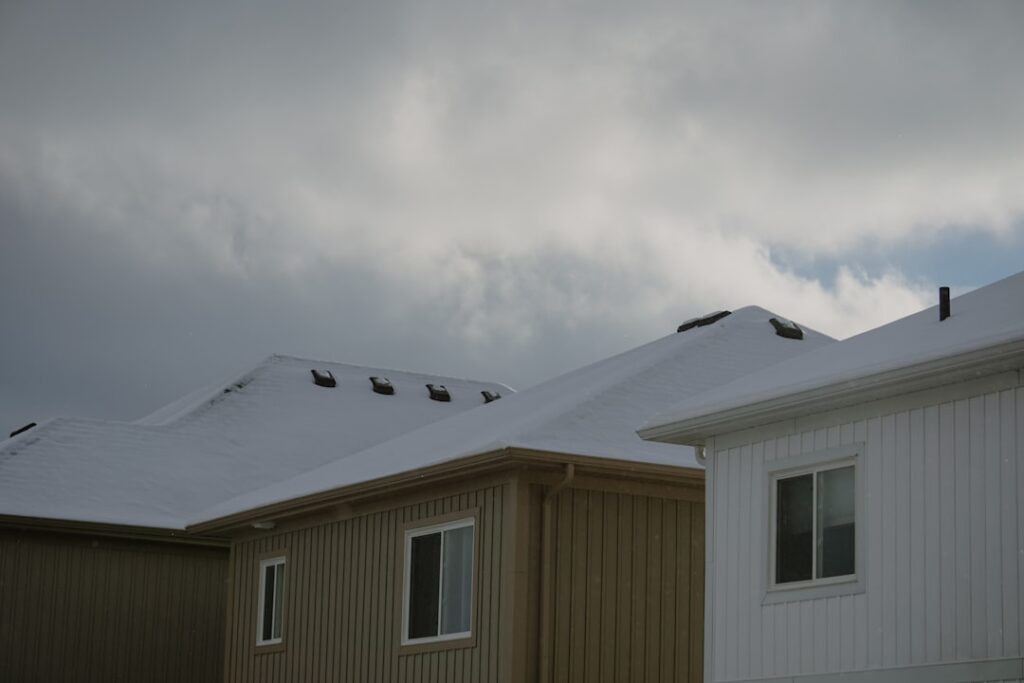
When it comes to commercial roofing in Cheyenne, WY, the decision between a flat roof and a sloped roof is more than just an aesthetic one—it can affect your building’s longevity, energy efficiency, and overall maintenance costs. With Cheyenne’s unique climate, including intense sun, high winds, snowfall, and rapidly changing weather, your choice of roof is critical. Below, we weigh the pros and cons of flat and sloped roofs for commercial properties, keeping in mind local factors and practical considerations for Wyoming’s capital city.
What Is the Difference Between Flat and Sloped Roofs?
- Flat Roofs: As the name implies, these roofs appear almost level, but they are built with a slight pitch (typically 1/4" per foot) to drain water effectively. Flat roofs are popular for large commercial buildings such as warehouses and retail centers in Cheyenne.
- Sloped Roofs: These roofs have a more noticeable pitch and are commonly found in both residential and small commercial settings. The pitch can vary depending on architectural style and functional needs.
Pros of Flat Roofs for Commercial Properties
- Cost-Effectiveness: Flat roofs generally require less material and labor to install, particularly on large buildings, which can be a significant factor for Cheyenne businesses managing tight budgets.
- Accessibility: Maintenance, inspections, and repairs are often easier and safer to carry out on flat roofs. This is especially helpful during Cheyenne’s windy spring and fall seasons, when regular checks are needed.
- Usable Space: Flat roofs can double as functional spaces. Many Cheyenne businesses use them for HVAC units, solar panels, or even rooftop decks and gardens, taking advantage of Wyoming’s 300+ days of sunshine a year.
Cons of Flat Roofs in Cheyenne, WY
- Snow and Drainage Concerns: Flat roofs are more vulnerable to water pooling and snow accumulation—both common in Cheyenne winters. Improper drainage can lead to leaks or roof collapse.
- Maintenance Needs: To counteract local climate challenges, flat roofs require routine inspections and proactive upkeep. Overlooking maintenance can lead to costly repairs.
- Limited Life Span: Depending on materials used, flat roofs may not last as long as sloped roofs, especially with the region's harsh freeze-thaw cycles.
Pros of Sloped Roofs for Commercial Buildings
- Superior Drainage: The pitch of sloped roofs promotes natural runoff of rain and melting snow, a valuable advantage during Cheyenne’s frequent snowstorms and spring showers.
- Longevity: Sloped roofs typically last longer than flat roofs, especially when covered with durable materials like metal or tile—common choices in wind-prone areas like southeastern Wyoming.
- Aesthetic Flexibility: Many businesses in Cheyenne appreciate that sloped roofs can be adapted to various architectural styles, boosting curb appeal and even customer foot traffic for retail locations.
Cons of Sloped Roofs in Cheyenne, WY
- Higher Initial Cost: More material and complex installation techniques often make sloped roofs pricier upfront, which may be a concern for new or expanding businesses.
- Less Usable Space: Equipment such as HVAC units may have to be mounted on the ground rather than the roof, reducing available space and potentially increasing noise at street level.
- Access and Safety: Maintenance and repairs can be more challenging, particularly in the winter months when ice and snow make sloped surfaces hazardous.
Cheyenne’s Climate: How It Influences Your Roofing Choice
Cheyenne sits at 6,000 feet above sea level and is known for high winds, intense sun, cold winters, and occasional hail—each factor puts unique demands on commercial roofs.

- Wind Resistance: Sloped roofs, especially those built with standing seam metal, often hold up better in Cheyenne’s high winds. However, modern flat roofing systems can also be engineered for wind uplift resistance if installed by experienced professionals.
- Snow Load: Sloped roofs do a better job of shedding snow, which can lessen the risk of structural strain. Flat roofs must be carefully designed with proper slopes and drainage systems to handle heavy snow accumulation.
- Temperature Swings: Both roof types require materials that can endure rapid freeze-thaw cycles common in Cheyenne. Quality insulation and regular inspections are musts.
Choosing Between Flat and Sloped Roofs for Your Business
There is no one-size-fits-all answer—it depends on your building’s size, your business’s operational needs, and your maintenance capabilities.
- Flat Roofs Are Ideal For:
- Large-footprint warehouses, manufacturing plants, and retail centers
- Businesses needing rooftop equipment or solar arrays
- Those wanting an accessible roof for periodic maintenance
- Sloped Roofs Are Ideal For:
- Small to mid-sized properties where storm runoff is a concern
- Businesses where aesthetics and longevity are highly valued
- Locations exposed to persistent high winds or heavy snow
Final Thoughts: Consult a Local Roofing Expert
Ultimately, the right roof for your commercial property in Cheyenne depends on balancing installation costs, maintenance plans, energy efficiency, and the unique demands of the local climate. Consulting a Cheyenne commercial roofing specialist can help you assess your property and choose the solution that best aligns with your goals, budget, and Wyoming’s sometimes unforgiving weather.
If you’re considering a new roof or a retrofit for your commercial building, an in-depth site assessment is the first step toward a safe, durable, and effective roofing system—one that stands up to Cheyenne’s high plains lifestyle.