

 See My Latest Article on HelloNation
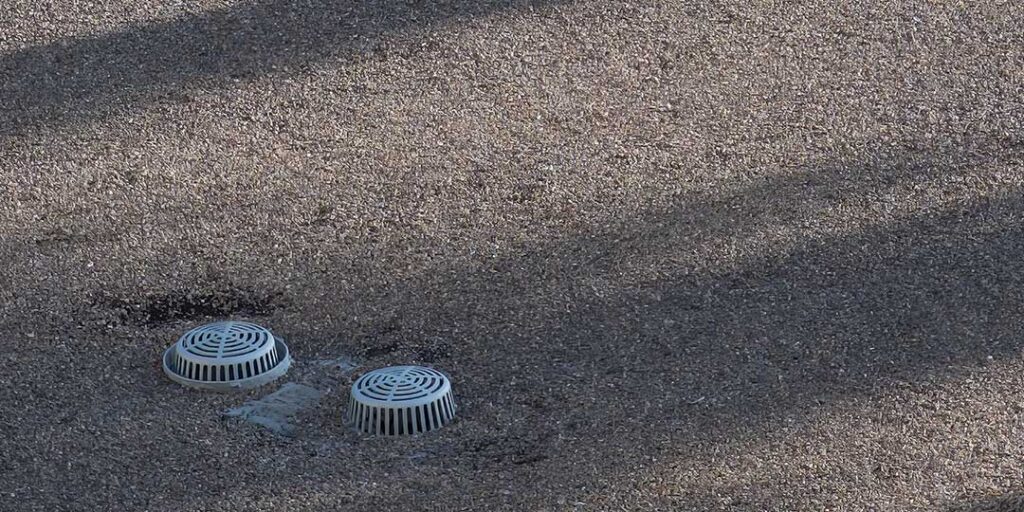
Flat roofs are designed with a slight slope, not a perfectly level surface. That slope directs rain, melting snow, and other water toward drains, scuppers, gutters, or roof edges. Ponding water develops when water remains on the roof for more than about 48 hours after precipitation has ended.
In Cheyenne, WY, ponding can be especially noticeable after spring storms, summer thunderstorms, or winter weather that melts and refreezes. A shallow puddle may seem harmless, but repeated or prolonged standing water can shorten the service life of roofing materials and expose drainage problems that need attention.
What causes water to collect on a flat roof?
The most common cause is inadequate drainage. Water may collect because the roof was built with insufficient slope, because the surface has settled, or because drains and discharge paths are blocked.
Several conditions can contribute:
- Clogged drains or scuppers: Leaves, dirt, windblown debris, ice, and loose roofing material can restrict the openings that carry water away.
- Roof surface settlement: Structural movement or deflection can create low areas, sometimes called birdbaths, where water naturally gathers.
- Improper installation: Poorly placed tapered insulation, uneven membrane seams, or badly positioned drains can interfere with the intended drainage pattern.
- Damaged or deteriorated materials: Blisters, open seams, crushed insulation, and surface wear can change the roof’s slope or create barriers.
- Blocked overflow paths: Secondary drains or overflow scuppers may be obstructed, leaving the primary drainage system with no backup during heavy precipitation.
- Nearby construction or modifications: New rooftop equipment, added curbs, walk pads, or repairs can redirect water toward areas that were not designed to receive it.
A roof can have adequate overall slope and still develop isolated puddles. The relevant question is not whether the roof looks flat from the ground, but whether every part of the surface can move water toward an approved outlet.
How do freeze-thaw cycles make ponding worse?
Repeated freezing and thawing can enlarge small drainage and surface problems. Water that remains on a roof may freeze overnight, expand slightly, and place stress on seams, coatings, flashing, and nearby materials. When temperatures rise, the water melts and may travel farther into weak areas.
Cheyenne’s high-plains climate can produce rapid weather changes, including cold nights after sunny days and winter conditions that alternate between snow accumulation and melting. Snow and ice may also conceal blocked drains or make it difficult to determine whether a low area is holding water.
Freezing water does not automatically damage every roof. The concern increases when water remains trapped near seams, penetrations, edge details, or deteriorated materials. Repeated cycles can turn a minor weakness into a leak path.
Can heavy snow contribute to ponding?
Yes. Snow itself does not always create ponding, but melting snow can overwhelm drainage systems or expose existing low spots. A roof with poor drainage may retain meltwater after the surrounding surface has dried.
Snow can also hide debris, drains, and surface damage. As it melts unevenly, water may flow toward a blocked outlet or collect around rooftop equipment. In some cases, ice forms near roof edges or drains and restricts the movement of additional meltwater.
Snow removal from a commercial or low-slope roof can be hazardous. Uncontrolled shoveling may damage roofing membranes, flashing, coatings, or insulation. Walking on a roof during icy conditions also creates fall risks and can crush vulnerable areas.
What damage can ponding water cause?
Standing water adds weight and keeps roofing materials wet for extended periods. The potential consequences depend on the depth, duration, frequency, and location of the ponding.
Common problems include:
- Leaks around seams and penetrations: Water may find small openings around vents, curbs, fasteners, edge metal, or membrane joints.
- Material deterioration: Some roofing materials age faster when continuously exposed to moisture, ultraviolet light, and repeated temperature changes.
- Insulation damage: Wet insulation can lose its thermal performance and may remain damp even after the visible puddle disappears.
- Structural stress: Water is heavy. A layer one inch deep weighs roughly five pounds per square foot, not including the weight of the roof assembly or accumulated snow.
- Mold or interior moisture problems: Persistent leaks can affect ceilings, insulation, stored materials, and indoor air quality.
- Larger low areas: Deflection can worsen if water weight contributes to structural movement, creating a cycle in which the depression holds even more water.
Not every puddle signals an immediate structural emergency. However, a recurring puddle near a drain, seam, wall, or roof penetration deserves closer attention than a brief wet area after a storm.
How can ponding water be identified safely?
The safest observation usually begins from the ground, from a roof-access point, or through an existing maintenance inspection rather than by walking onto a wet or icy surface.
Useful warning signs include:
- Puddles that remain after nearby surfaces have dried
- Dark or discolored roofing areas
- Water stains or bubbling paint on interior ceilings
- Damp insulation or musty odors
- Rusted edge metal, drains, or rooftop equipment supports
- Cracked coatings, open seams, or wrinkled membrane
- Vegetation, sediment, or debris growing or accumulating in a low area
- Repeated leaks in the same interior location
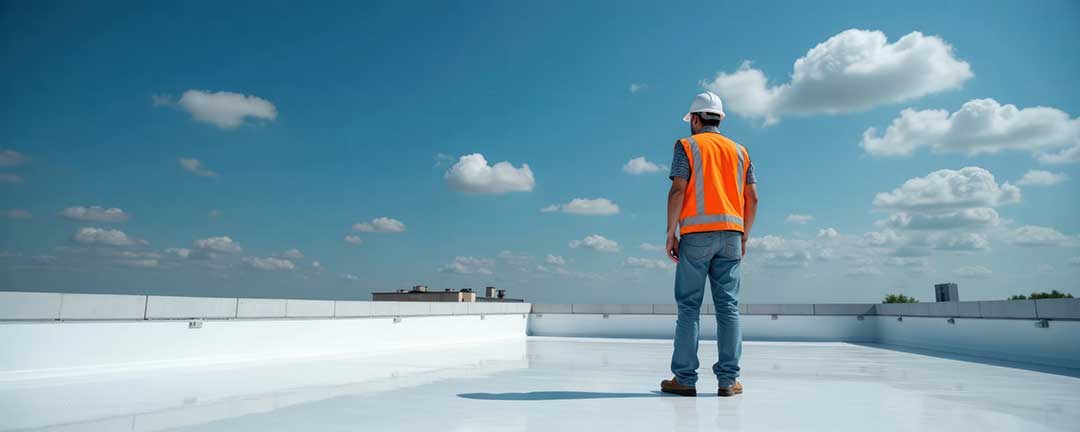
A leak may not appear directly below the source. Water can travel along insulation, decking, beams, or other layers before entering the building. For that reason, an interior stain should not automatically be treated as proof that the roof opening is directly above it.
What maintenance helps prevent ponding?
Routine drainage checks are more useful than waiting for a leak. Before seasons with heavy precipitation, drains, scuppers, gutters, and overflow openings should be checked for leaves, sediment, ice, and loose roofing material.
Practical maintenance includes:
- Keeping roof drains and scuppers clear
- Removing debris without cutting or puncturing the roof surface
- Checking whether strainers, screens, and protective baskets are secure
- Inspecting flashing around vents, curbs, walls, and skylights
- Looking for new depressions after major storms or construction work
- Recording recurring puddles with dates and photographs
- Checking interior ceilings and upper walls for new moisture marks
- Confirming that discharge points direct water away from walls, foundations, and entrances
Drainage components should not be sealed shut, covered with improvised materials, or altered without considering the entire roof system. Adding a drain or changing a roof slope can involve structural, waterproofing, and code-related issues.
When is ponding water a serious concern?
Ponding deserves prompt attention when it is deep, recurring, expanding, close to a roof edge, associated with visible sagging, or accompanied by interior leaking. Any sign of structural movement, cracking, unusual ceiling deflection, or water near electrical equipment increases the urgency.
Roof access should be restricted during lightning, high winds, icy conditions, or unstable snow conditions. Standing water can also conceal weak decking, open seams, and slippery surfaces. Safety and building protection take priority over attempting to inspect or clear a problem personally.
The underlying issue may be as simple as debris blocking a drain, or it may involve insulation, structural movement, roof design, or concealed moisture. Finding the cause matters because removing visible water without correcting the drainage path usually allows the same problem to return.