

 See My Latest Article on HelloNation
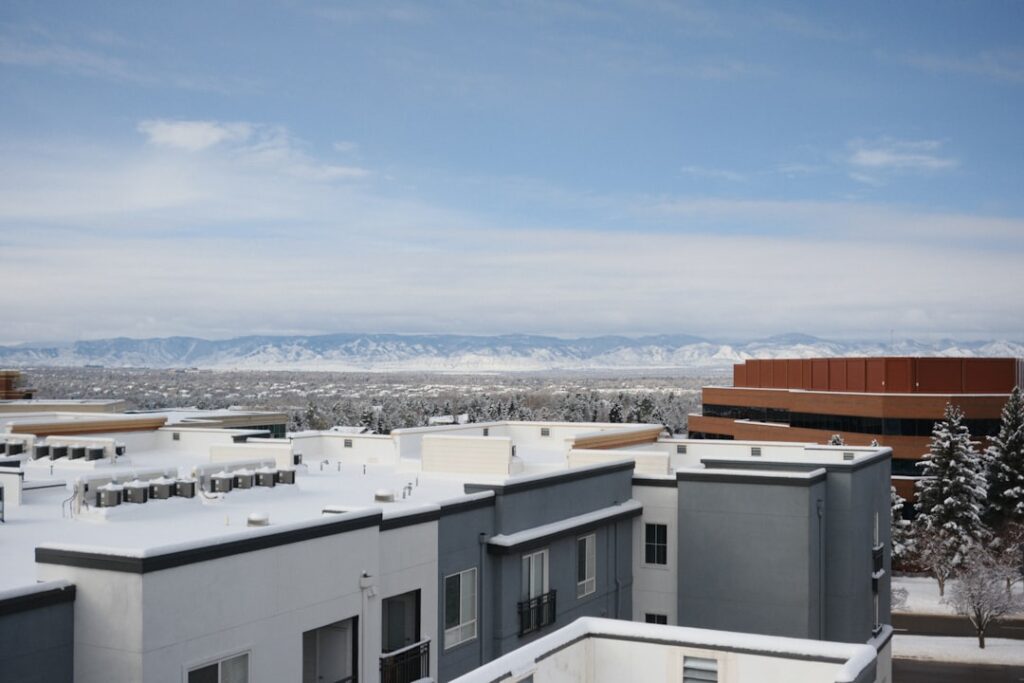
Why Winter Preparation Matters for Commercial Roofs
Preparing a commercial roof for winter in Cheyenne, WY is necessary to prevent leaks, insulation loss, and damage from ice and snow. Cold season wind, temperature swings, and snow accumulation can lead to costly repairs if unaddressed. Proactive steps in fall can protect both the building and its interior contents.
What Risks Does Winter Pose to Local Roofs?
Roofs in Cheyenne face winds that often exceed national averages, regular freeze-thaw cycles, and sudden snowfall. These conditions put stress on roofing membranes and seams. Pooled water can freeze, expanding small cracks. Heavy, wet snow may overload drainage systems, especially flat or low-slope roofs common in local commercial properties.
Common risks include:
- Ice dams forming along edges or gutters
- Blocked drains and overflowing scuppers
- Wind-driven debris damage
- Flashing or membrane separations
- Water intrusion from melting snow
How Can You Inspect a Commercial Roof for Winter Readiness?
A thorough inspection before winter is the best way to identify and address vulnerabilities. Start with a clear day after leaves have fallen. Walk the roof cautiously—prioritize safety, especially near the edge or when ice is present.
Key steps include:
- Check the membrane for cracking, bubbling, or punctures
- Examine seams and edges for signs of lifting or separation
- Inspect flashings at walls, vents, and HVAC units for secure attachment
- Remove debris: look for clogged drains, blocked gutters, or branches that could break under snow load
- Review the building's attic or ceiling for signs of past leaks or water stains
Consider documenting with photos to track developing issues over multiple seasons.
What Maintenance Can Prevent Winter Roof Problems?
Simple maintenance steps can prevent most winter-related issues:
- Clean all drains, gutters, and downspouts to allow melting snow to move freely
- Remove debris such as leaves, sticks, and bird nests
- Trim back overhanging branches that could fall onto the roof under snow or wind load
- Check for missing or loose fasteners, especially on metal roofs
- Verify that rooftop equipment is sealed and appearances of moisture around units are checked

For buildings with ballasted roofs (gravel-topped), ensure the rocks are evenly spread and not exposing membrane at corners or seams.
How Do Local Weather Patterns Affect Winter Roofing Strategies?
Cheyenne’s weather brings rapid temperature shifts—above freezing by day, well below at night. This causes more freeze-thaw cycling than in many cities, expanding and contracting roofing materials and increasing the likelihood of cracks or lifted seams. Additionally, wind-chill factors can accelerate material wear.
Snow rarely stays evenly distributed; drifts can pile up along roof projections or against parapet walls. Watch for uneven loading and remove excess snow if safe and feasible.
Which Repairs Should Be Prioritized Before Cold Weather Hits?
Addressing issues before winter makes repairs more reliable, since many adhesives and roofing materials don’t adhere well in cold temperatures. Prioritize:
- Patch punctures, holes, or blisters in roofing membranes
- Re-seal seams and flashing that show any separation
- Replace damaged or corroded fasteners on all roof elements
- Ensure roof hatches or access points are weather-tight
If insulation feels damp or is showing deterioration from past leaks, it should be dried out or replaced where accessible to prevent further compromise.
What Are Common Misconceptions About Winter Roofing in the Area?
It’s a common myth that “snow acts as insulation.” While snow can offer minimal insulating value, the risks of load stress and water intrusion outweigh any benefit. Another misconception is that roof issues can wait until spring—ice and water damage will often worsen during freeze-thaw cycles, leading to bigger problems by thaw.
Not all sealants are effective in cold temperatures; repairs made when it’s too cold may not cure properly, leading to premature failure. Temporary fixes with tarps or cold asphalt should only be used if safety or weather precludes permanent repair, and checked frequently until weather allows full restoration.
Are There Legal or Safety Requirements for Winter Roof Maintenance?
Cheyenne building codes do not generally require specific winter maintenance but do hold property owners responsible for safe, functional buildings. Preventing leaks, collapses, or ice hazards protects occupants and reduces liability. If removing heavy snow from the roof, prioritize safety: snow shoveling on a flat commercial roof can be dangerous due to slippery surfaces and hidden skylights. Only trained personnel should attempt rooftop snow removal.